Gallery


History
Poppy Places

Media release: Six new Poppy Places recognise Palmerston North's military history
Wednesday 11 November 2026
A paddling pool, a school memorial gallery and an avenue of trees are among six new Poppy Places recognised in Palmerston North today.
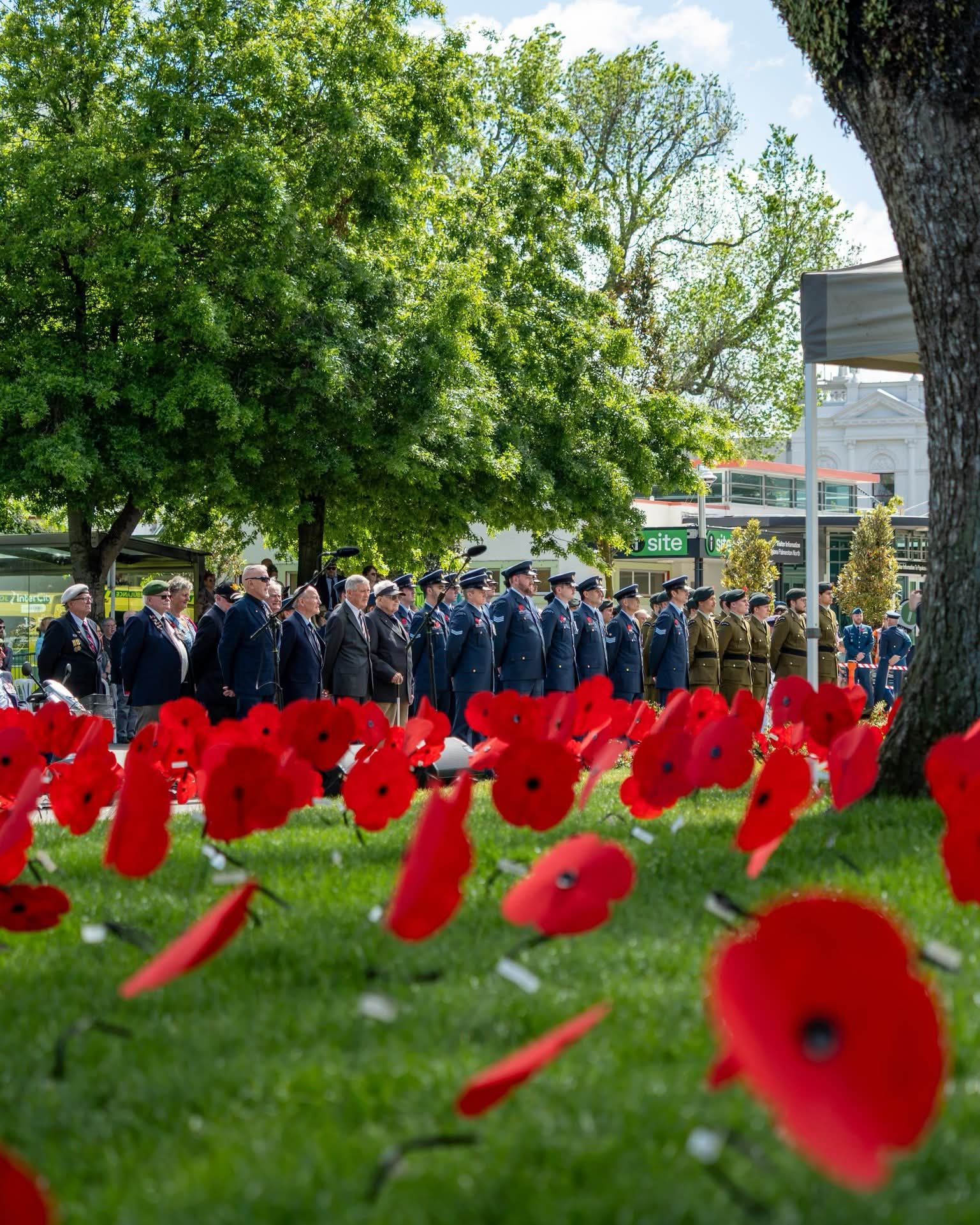
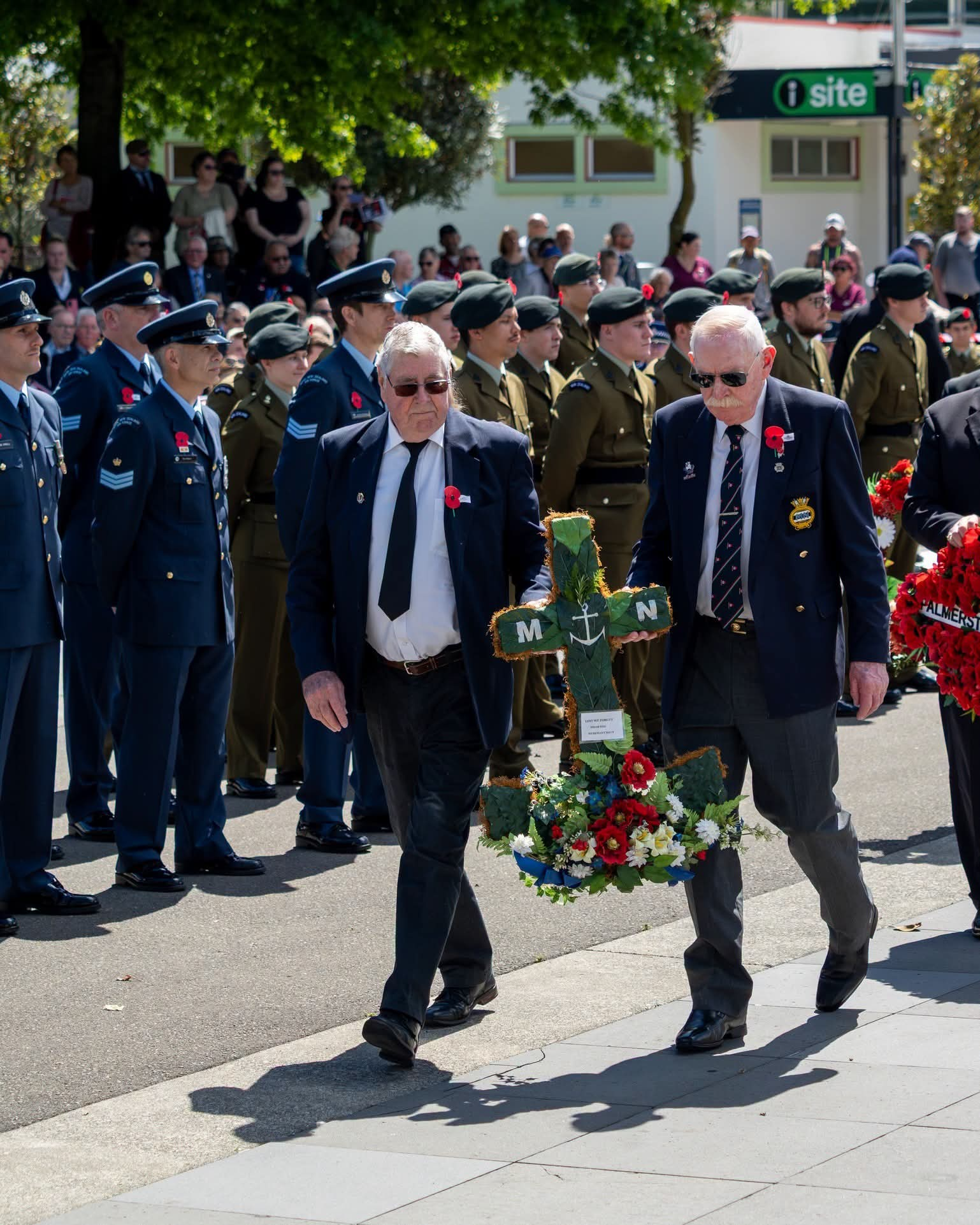
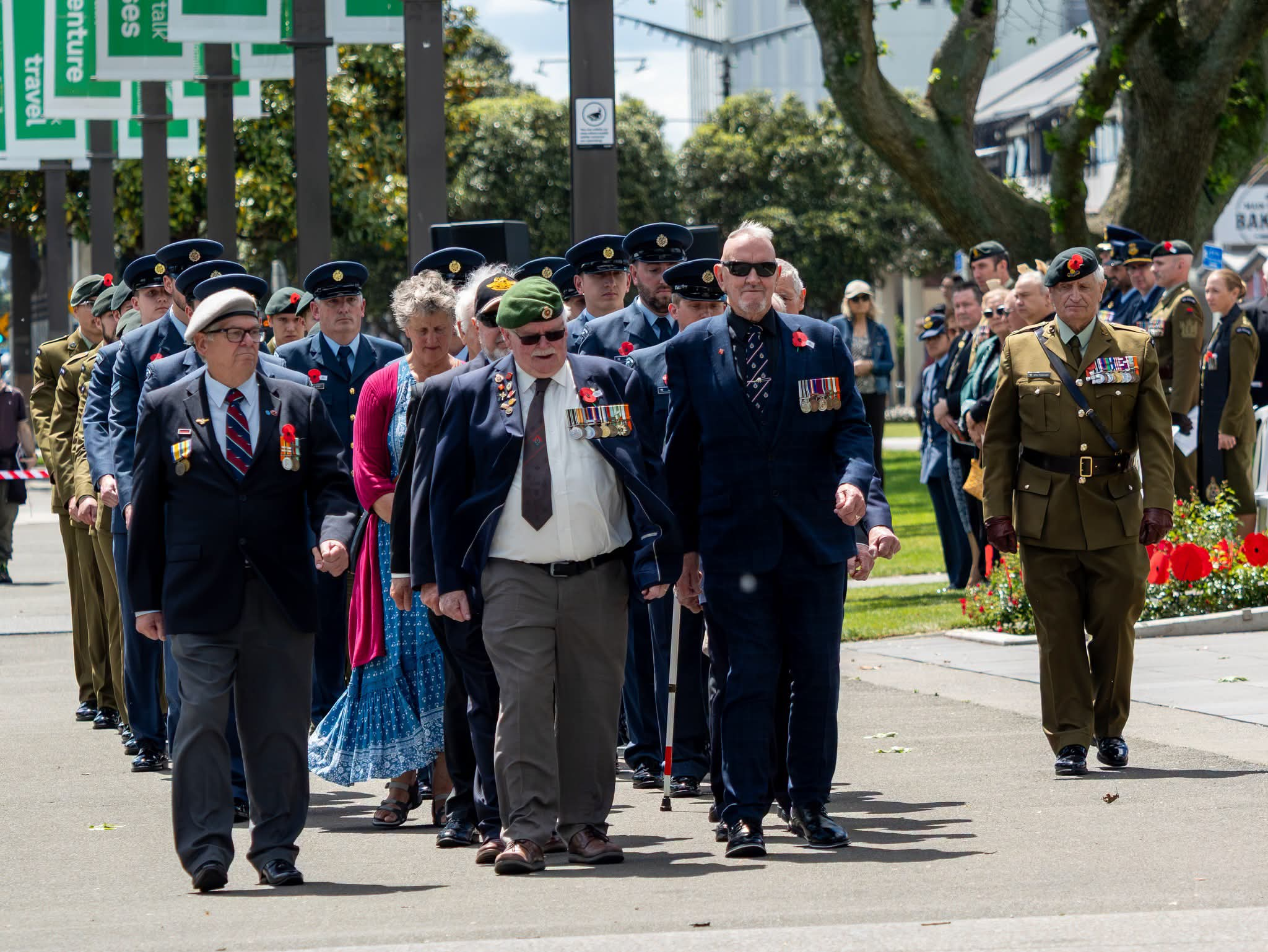
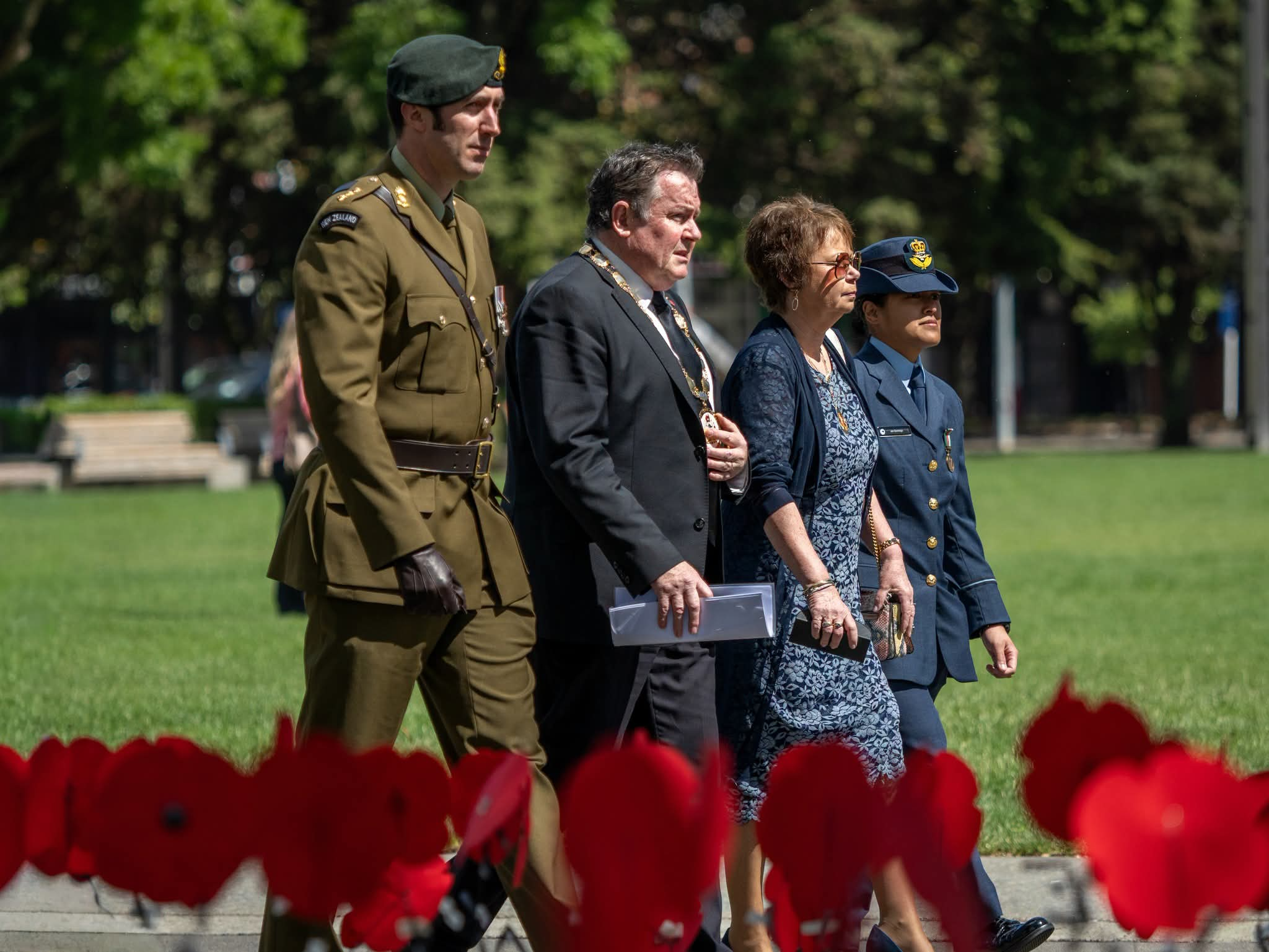
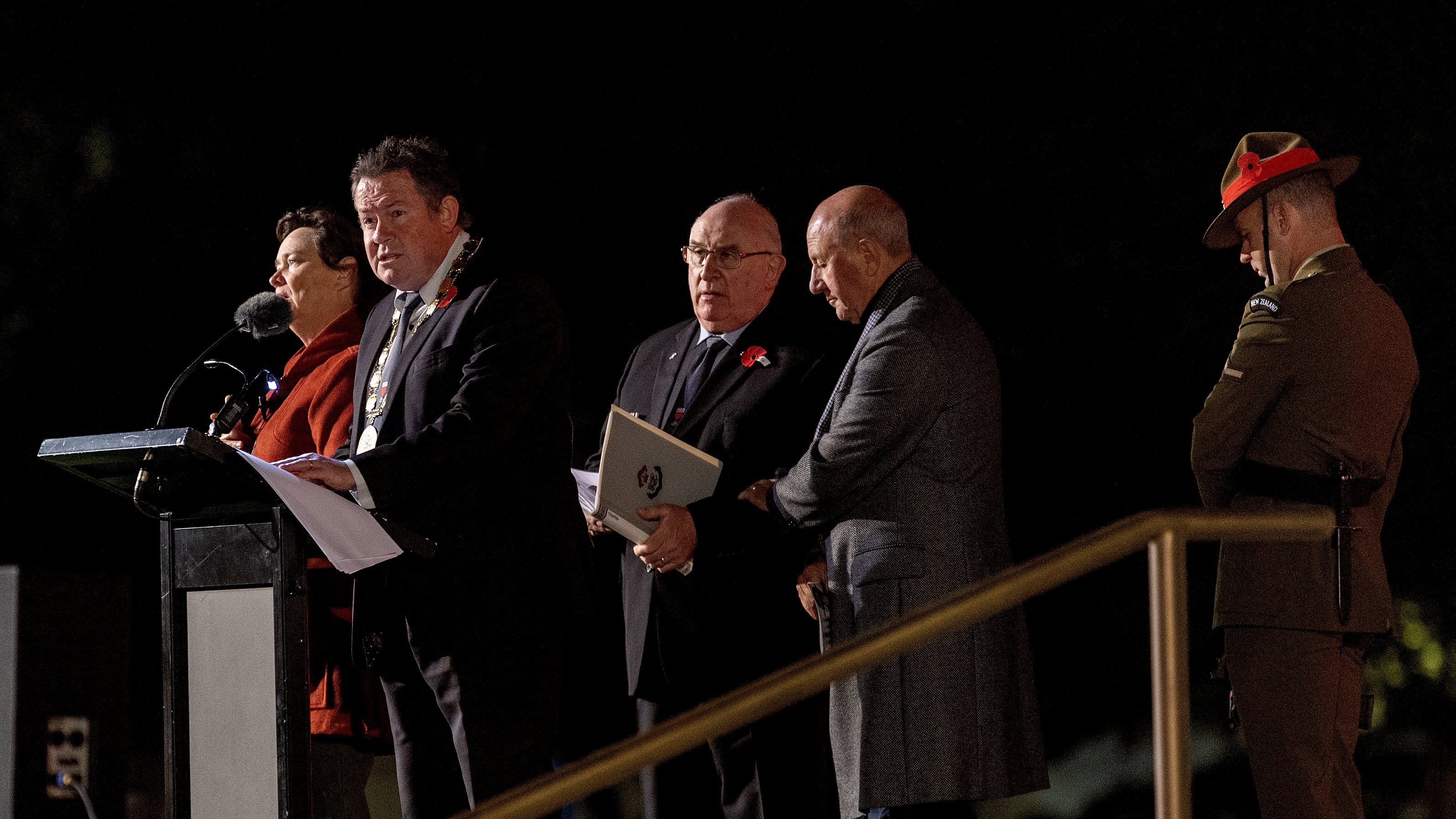
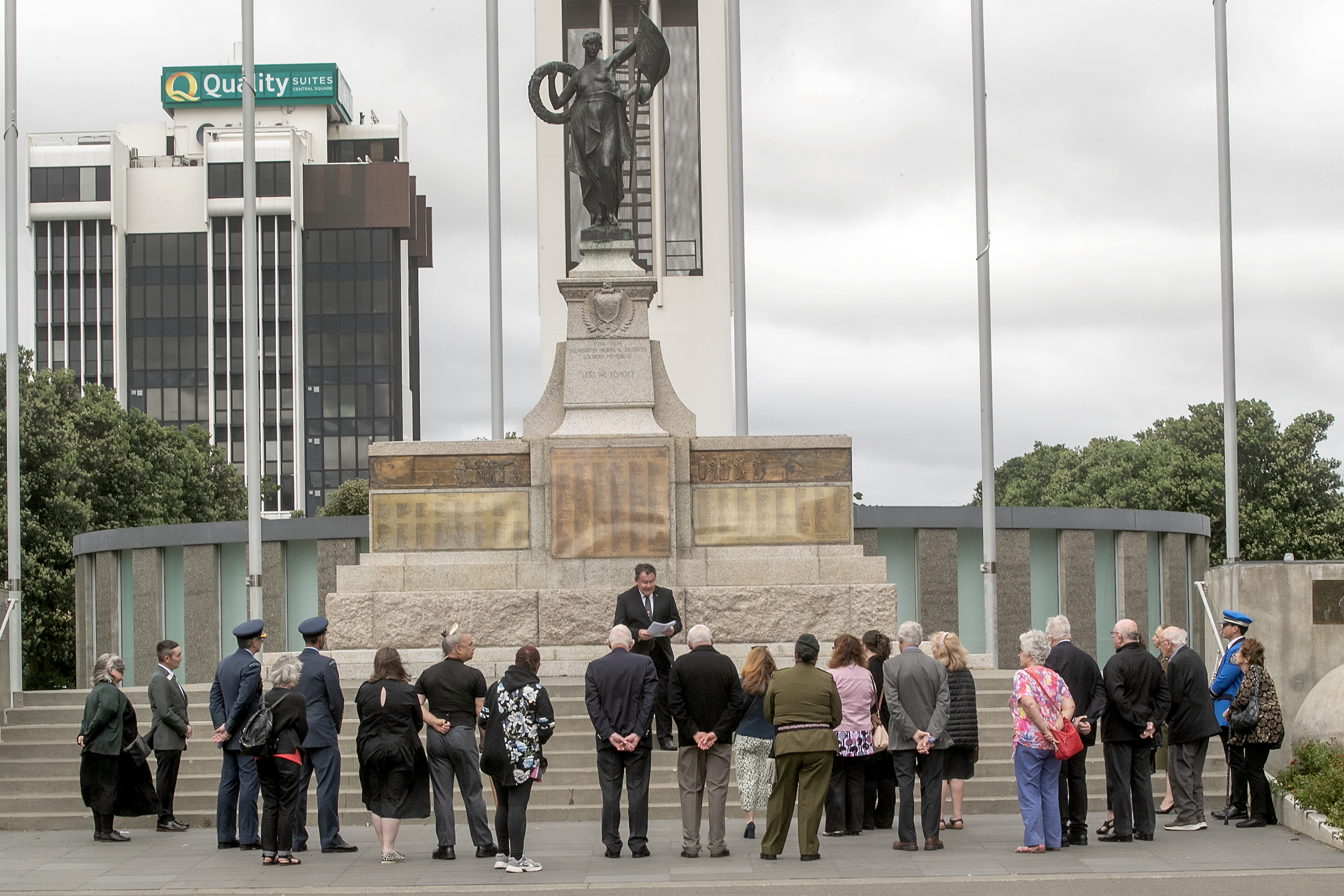
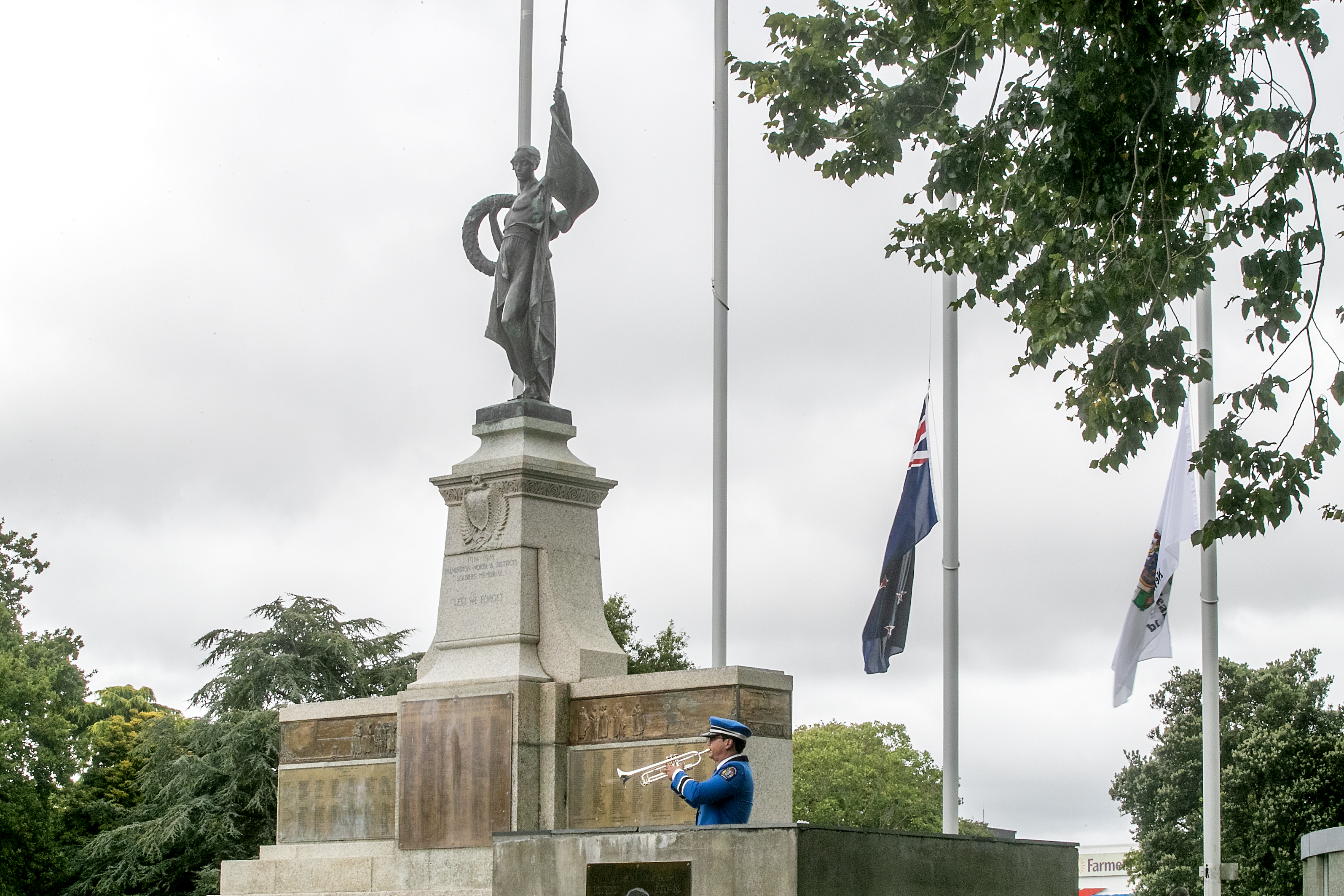
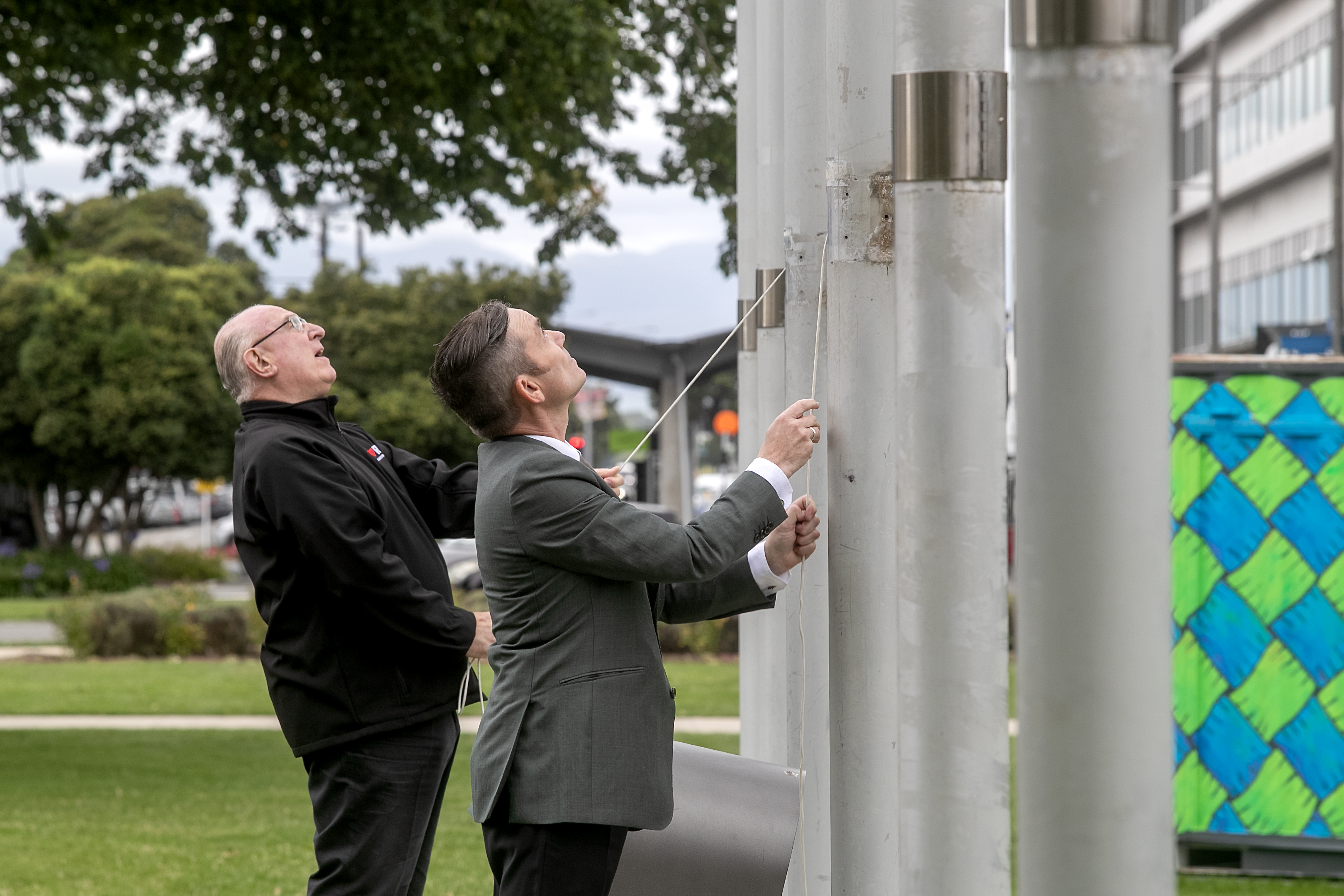
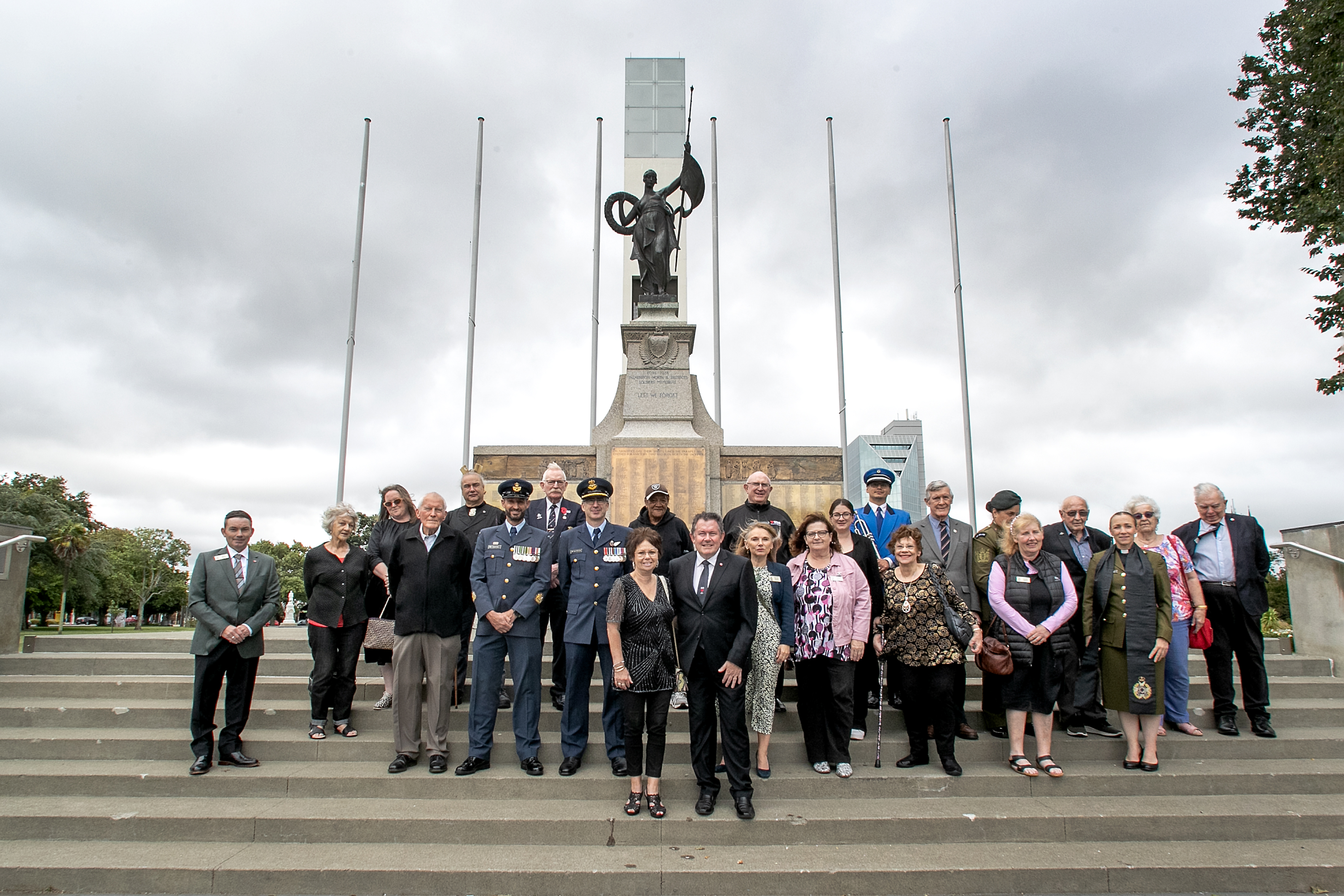
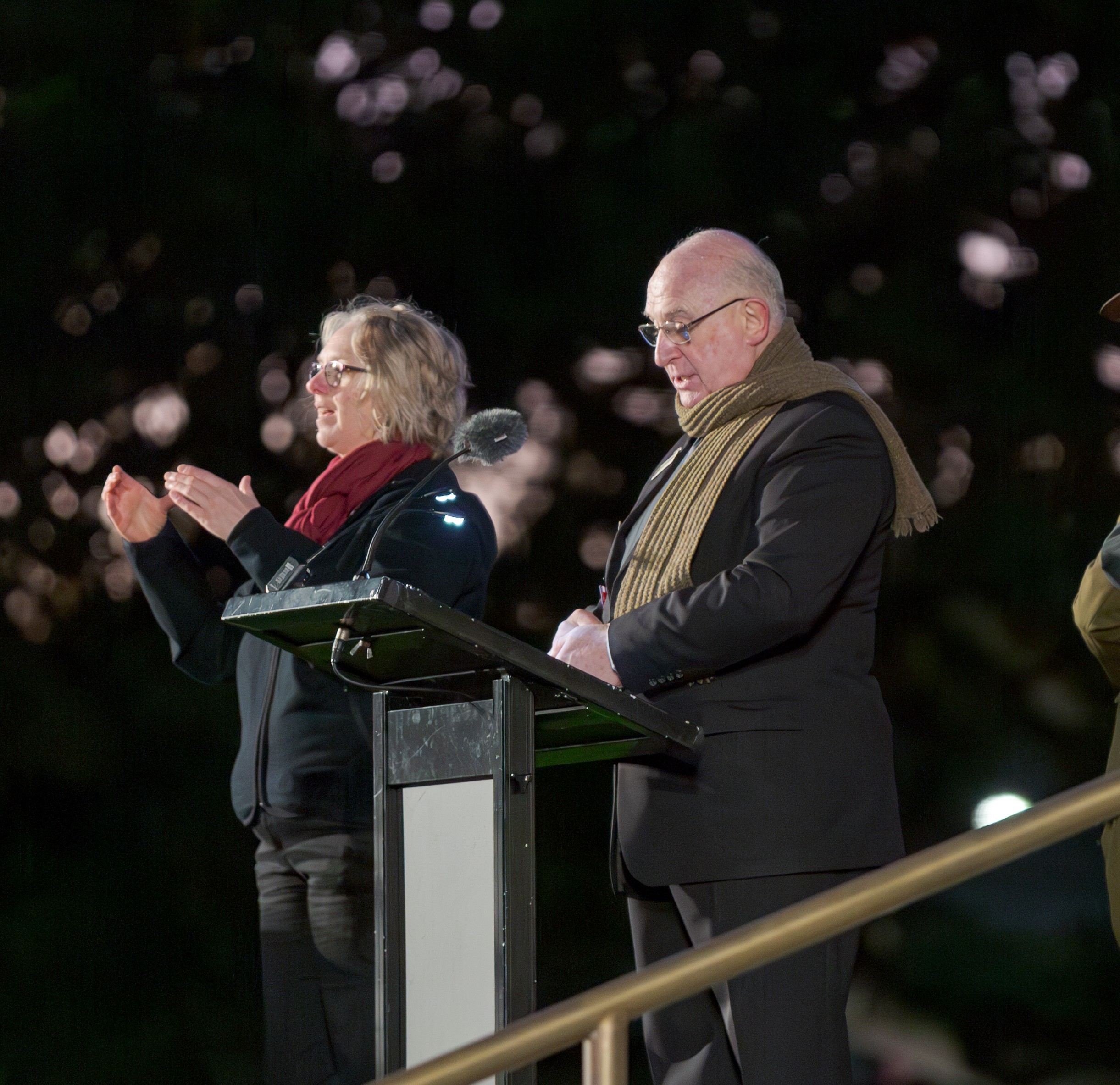
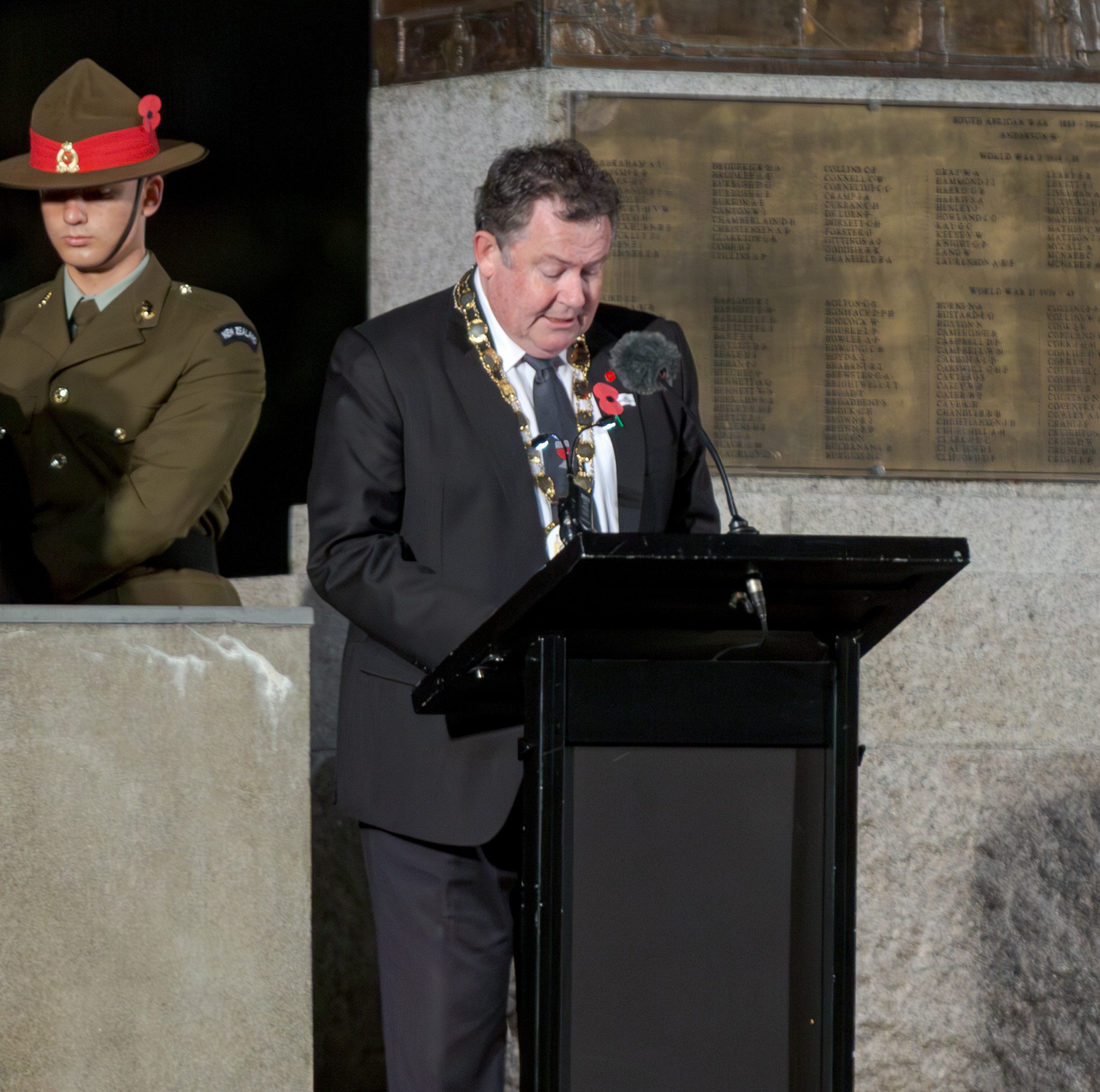
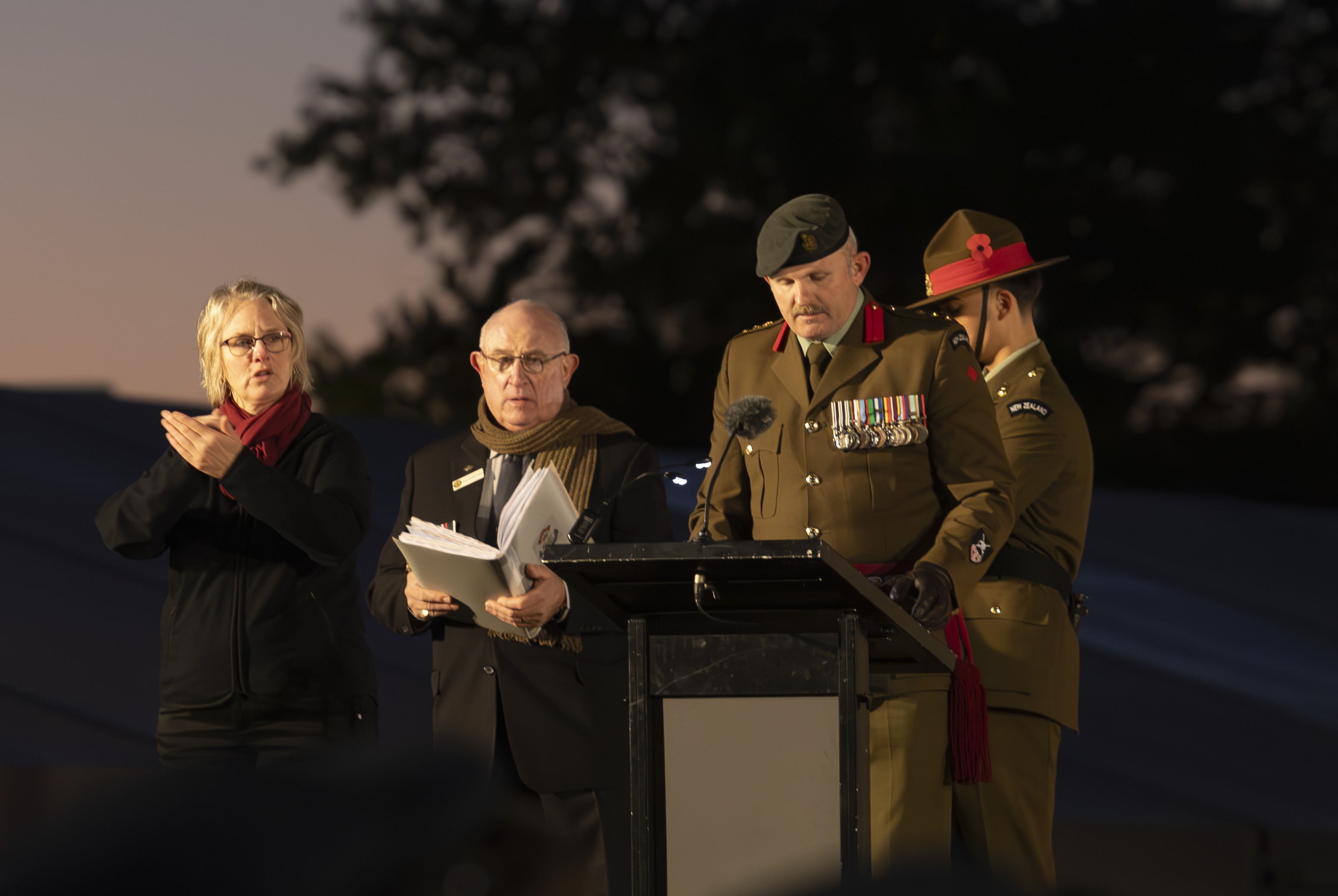
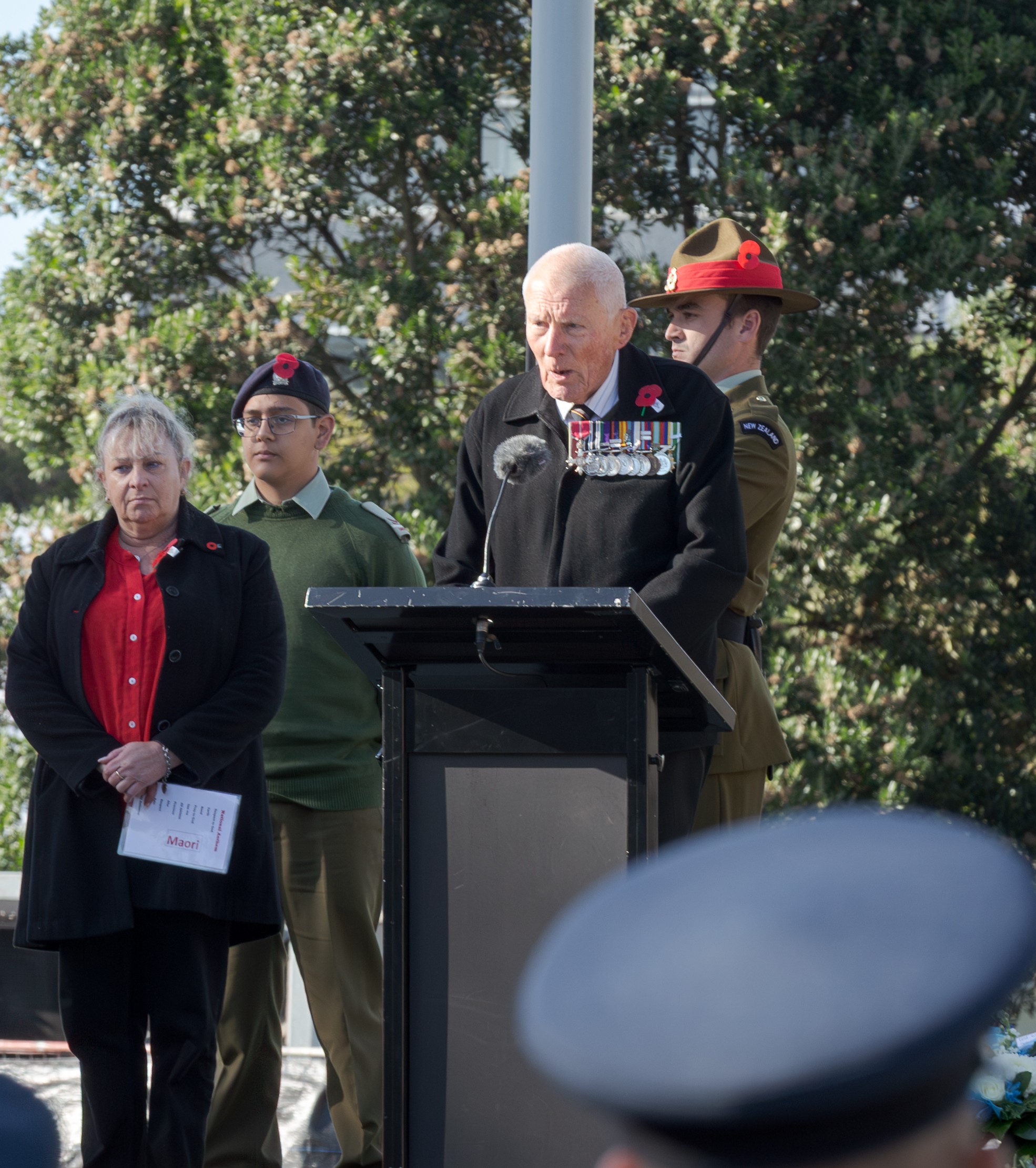
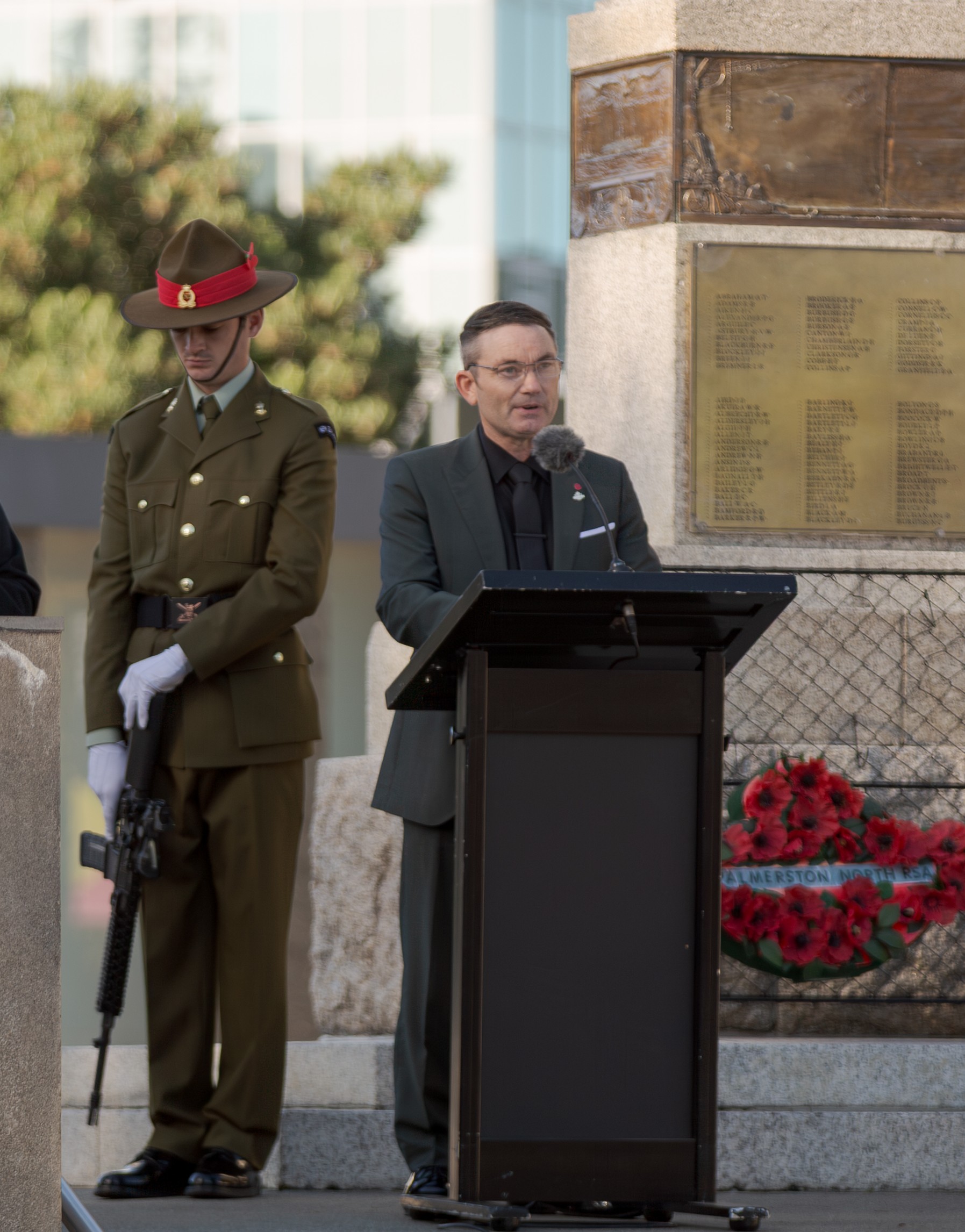
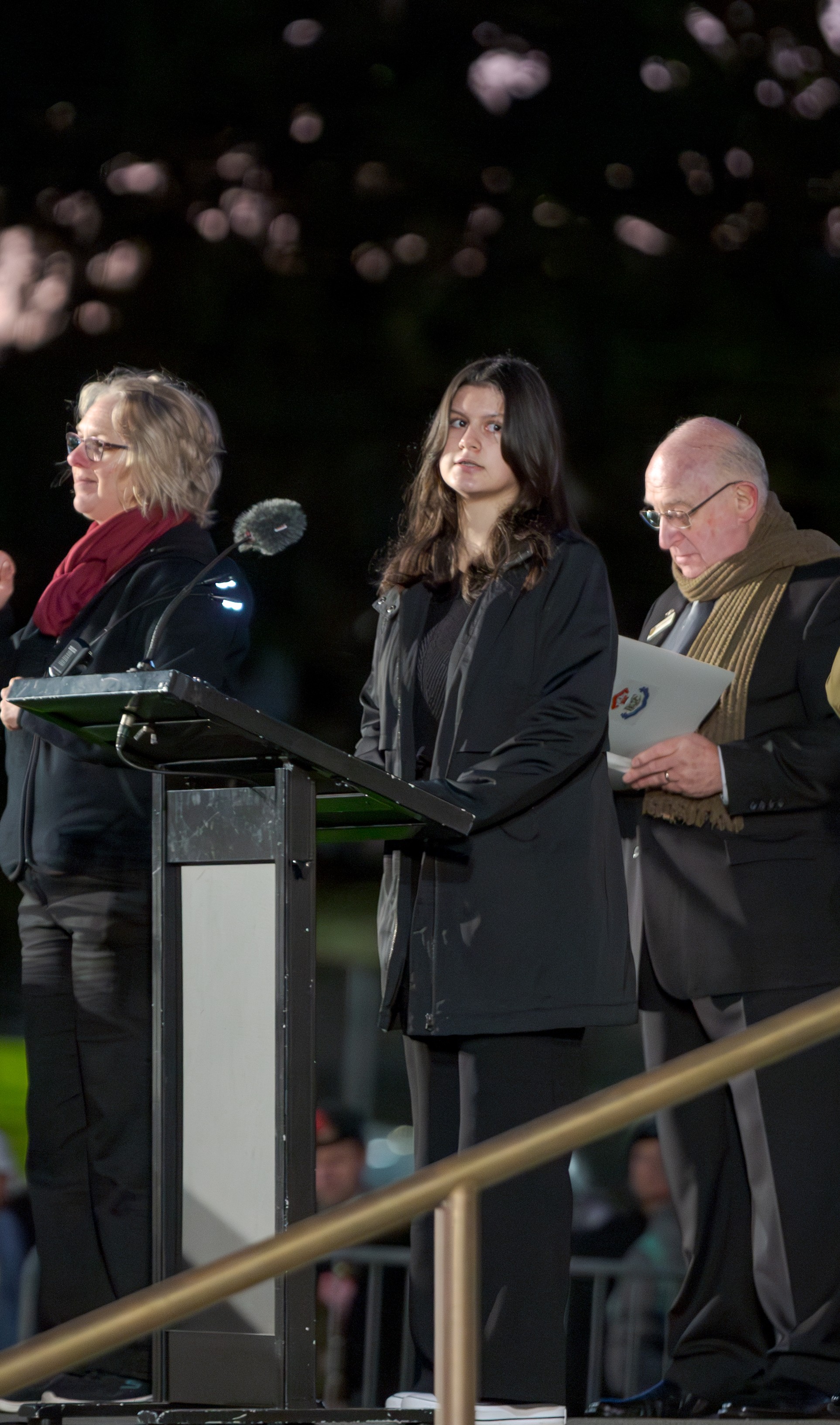
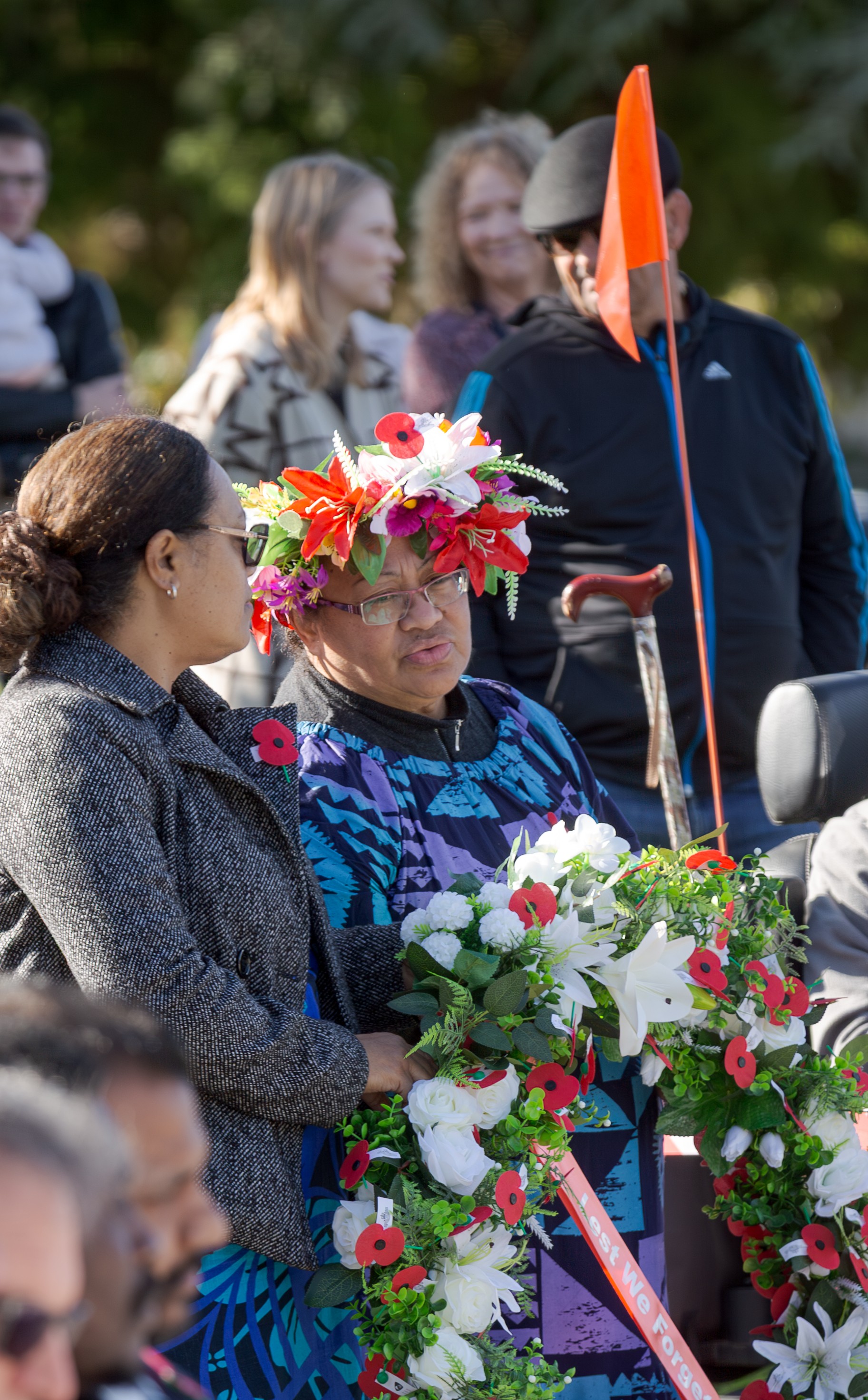
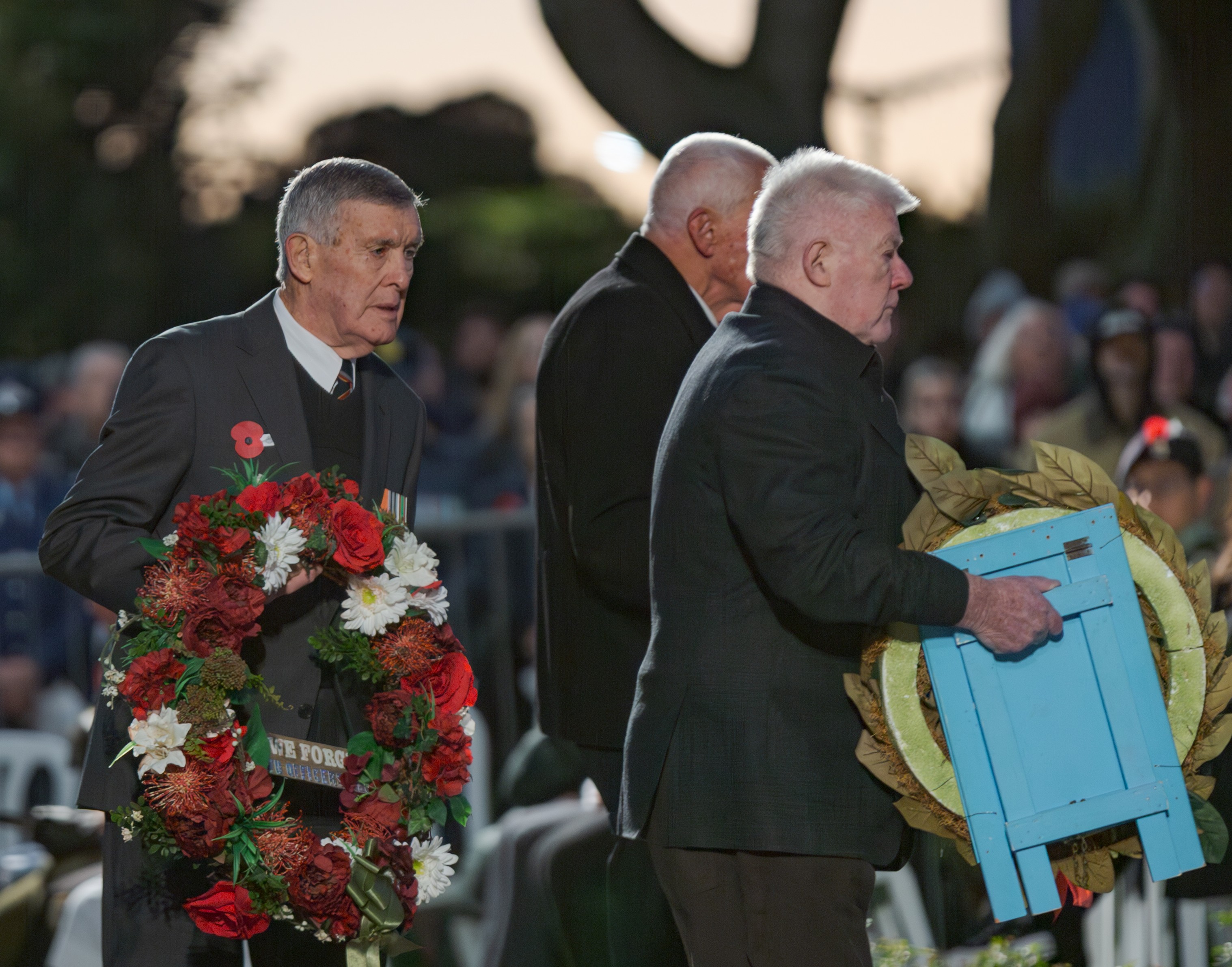
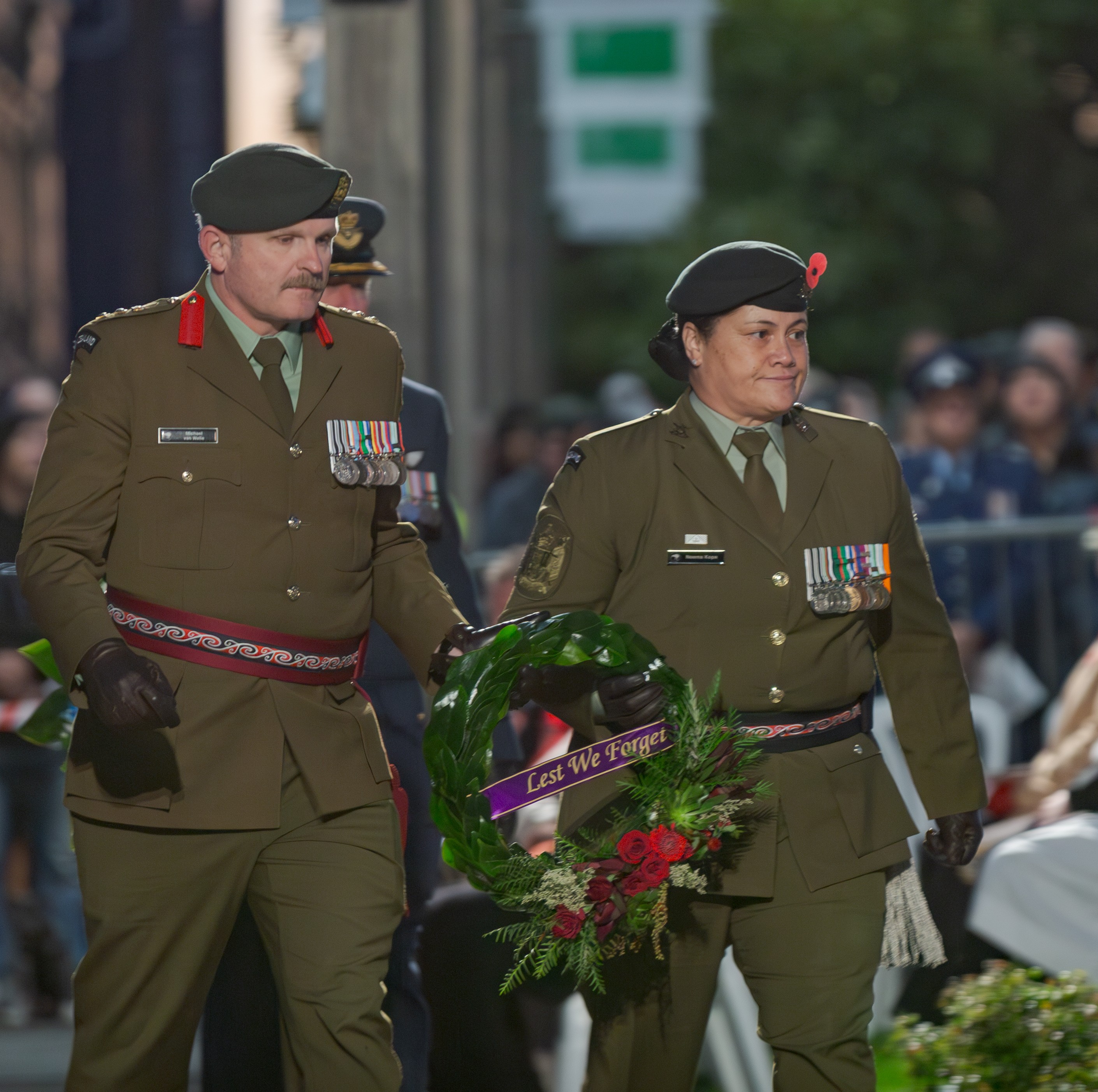
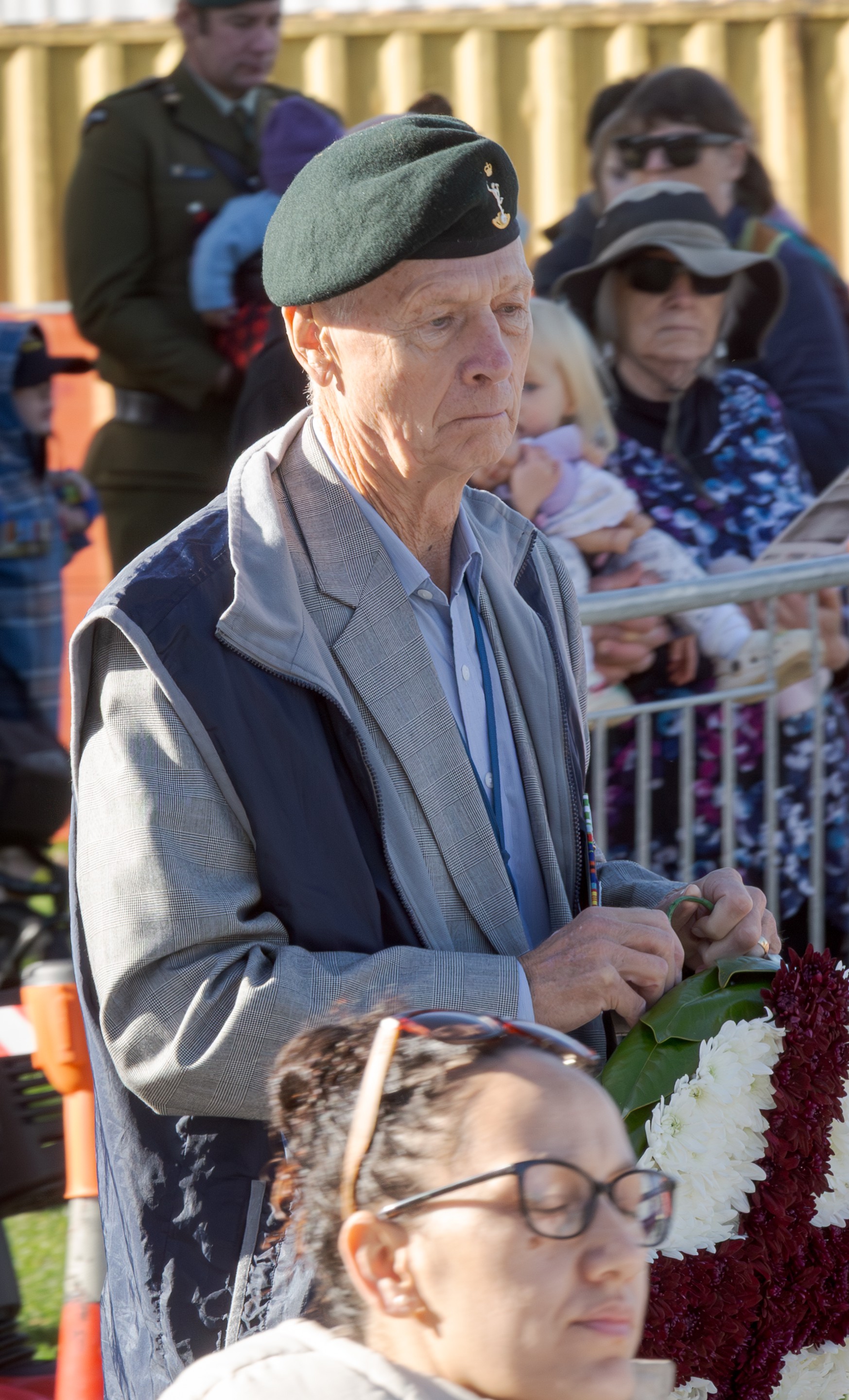
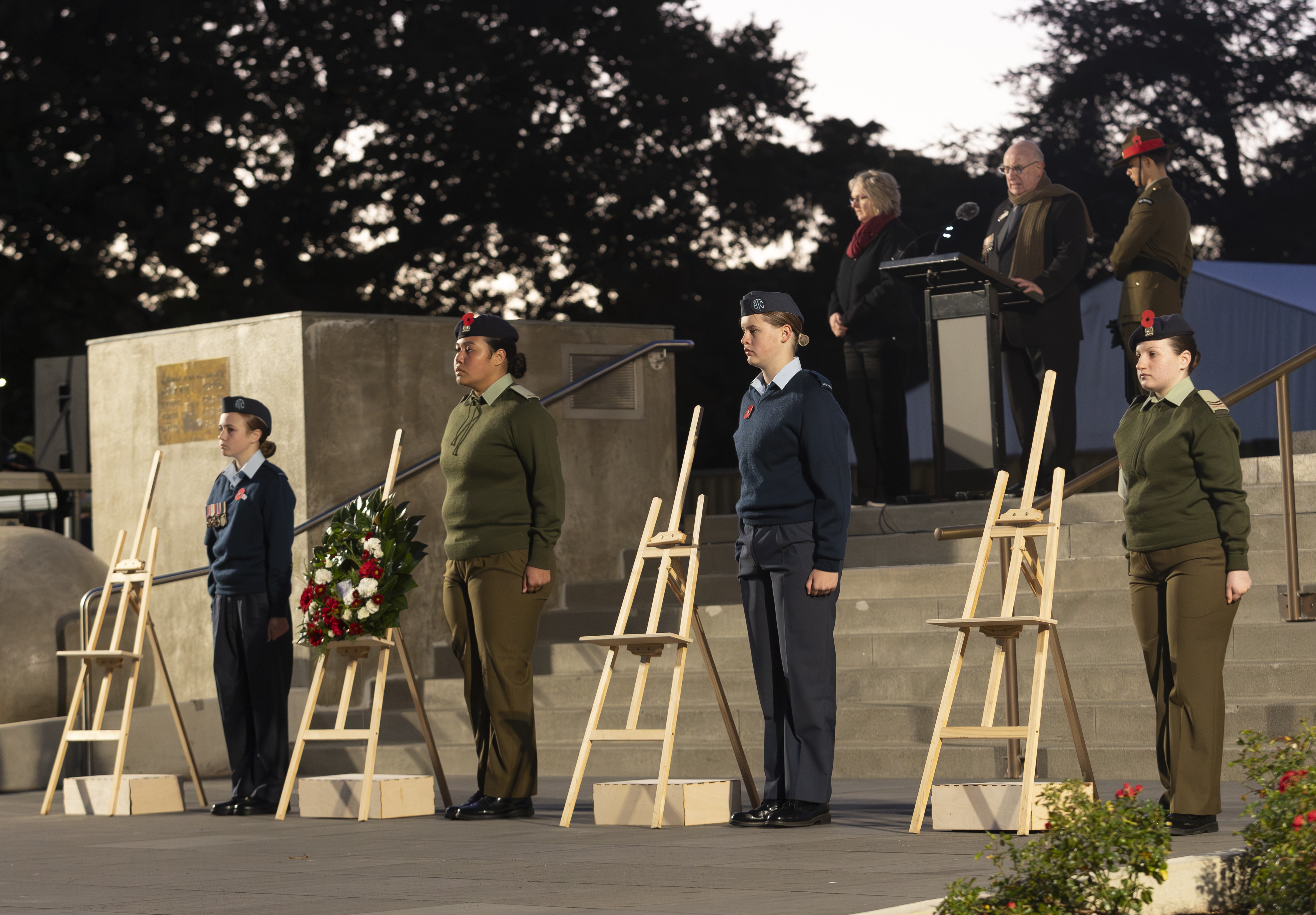
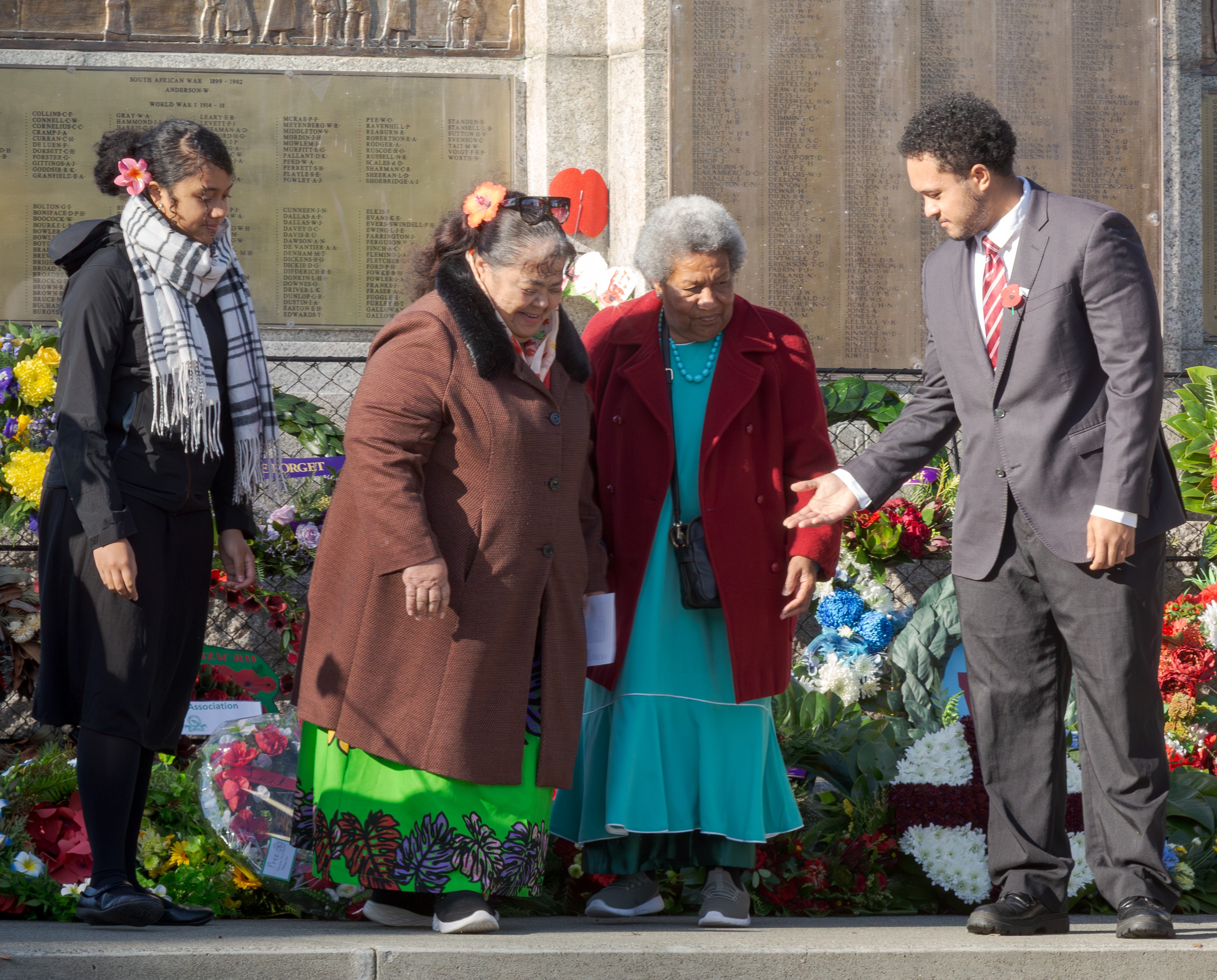
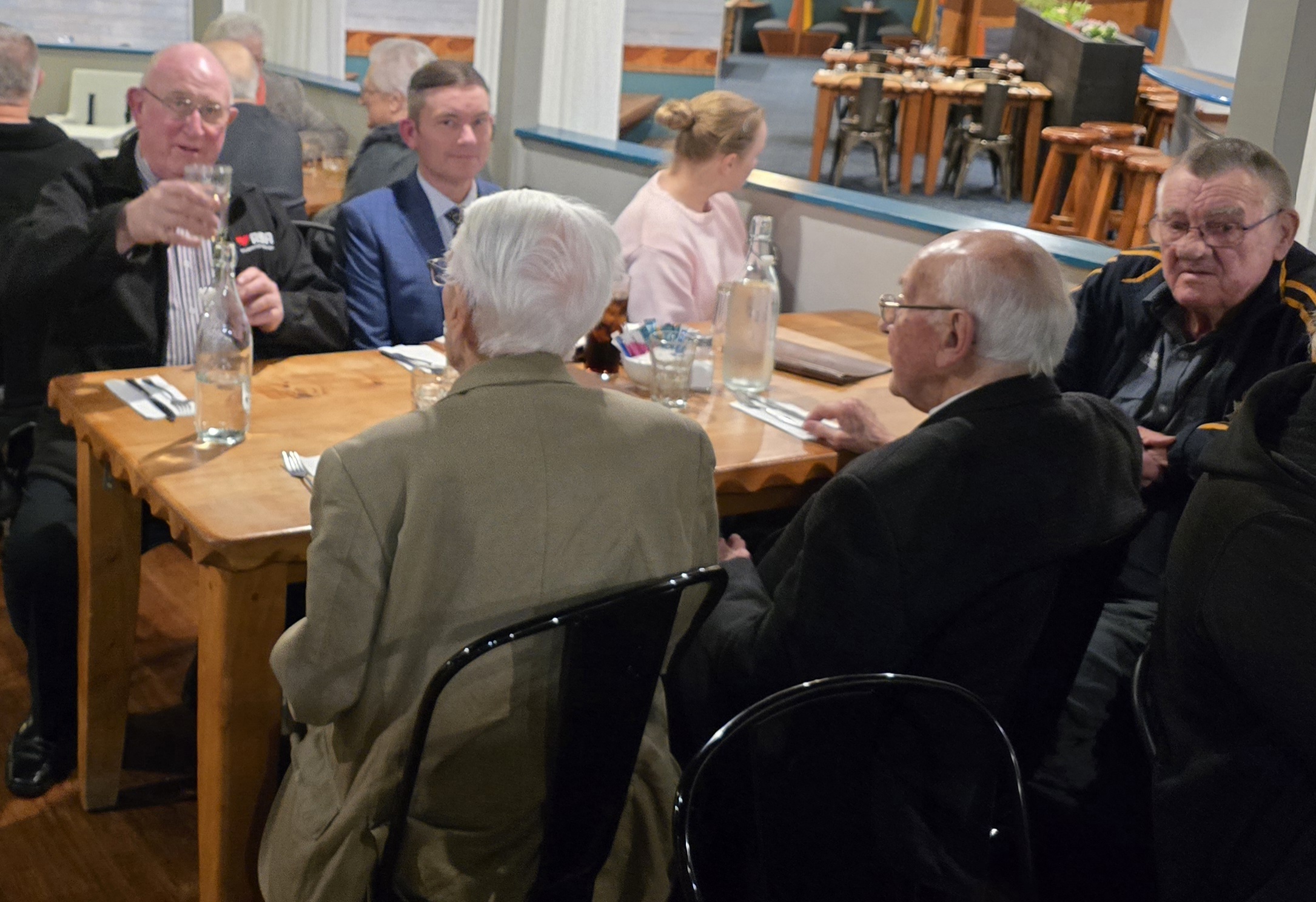
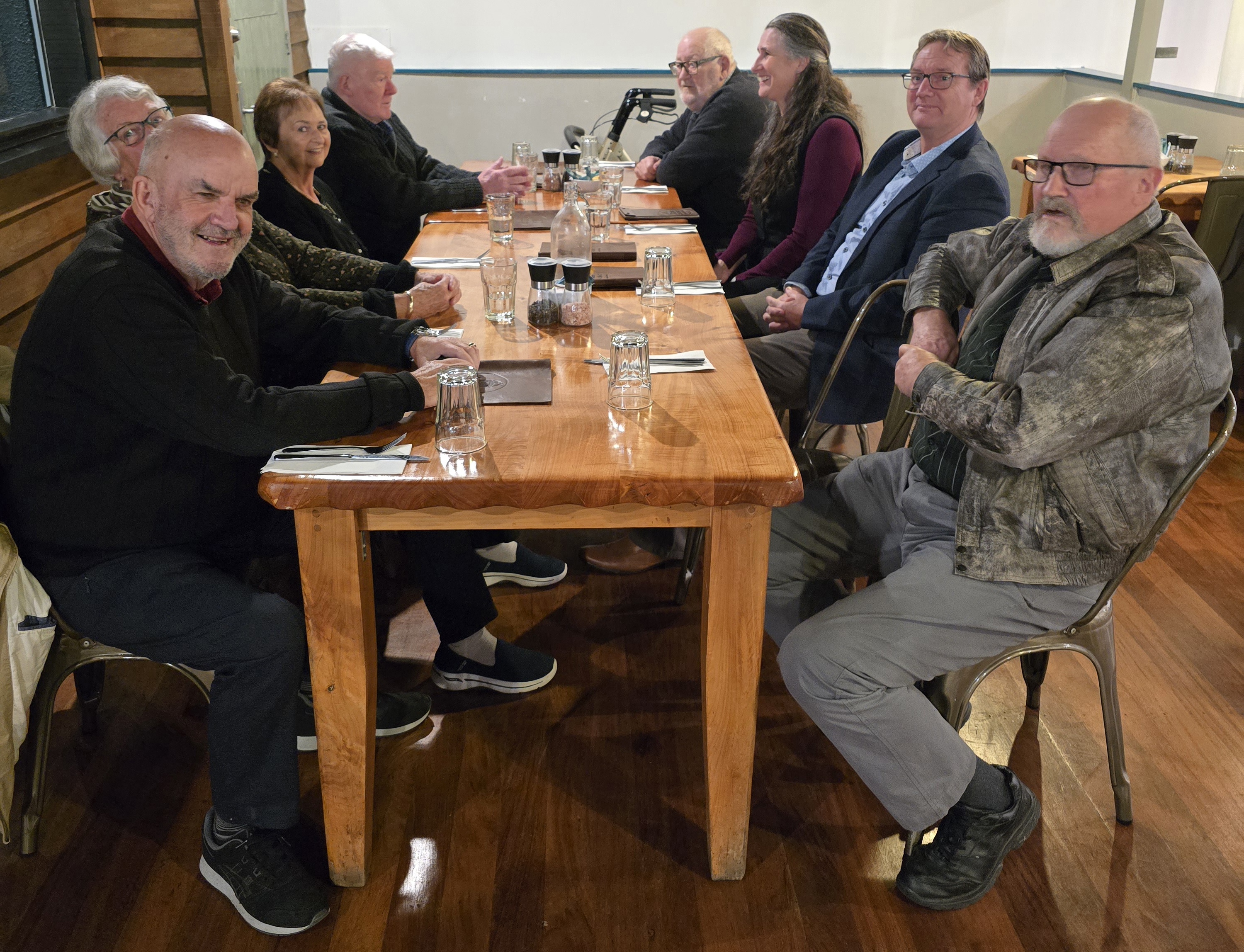
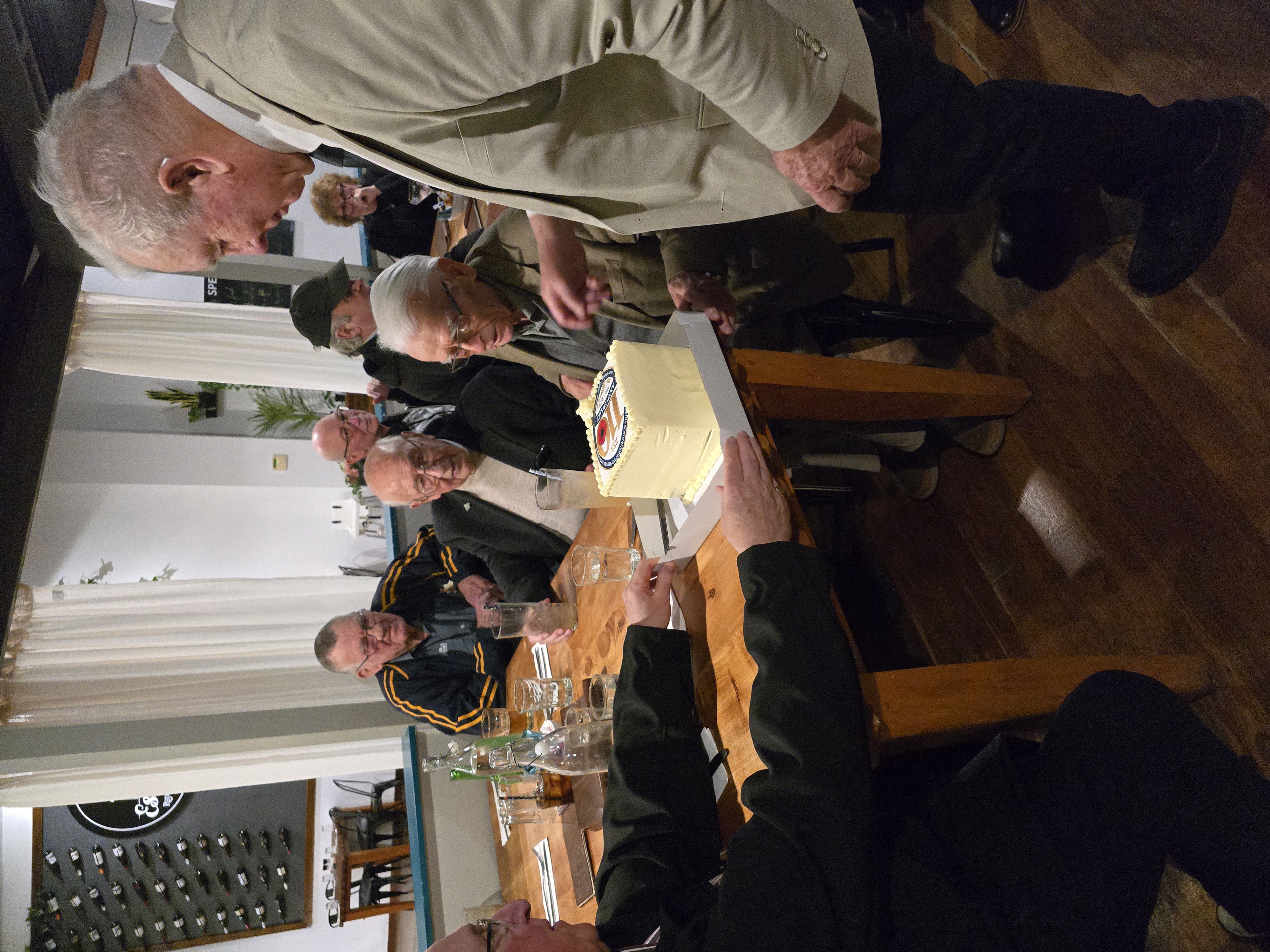
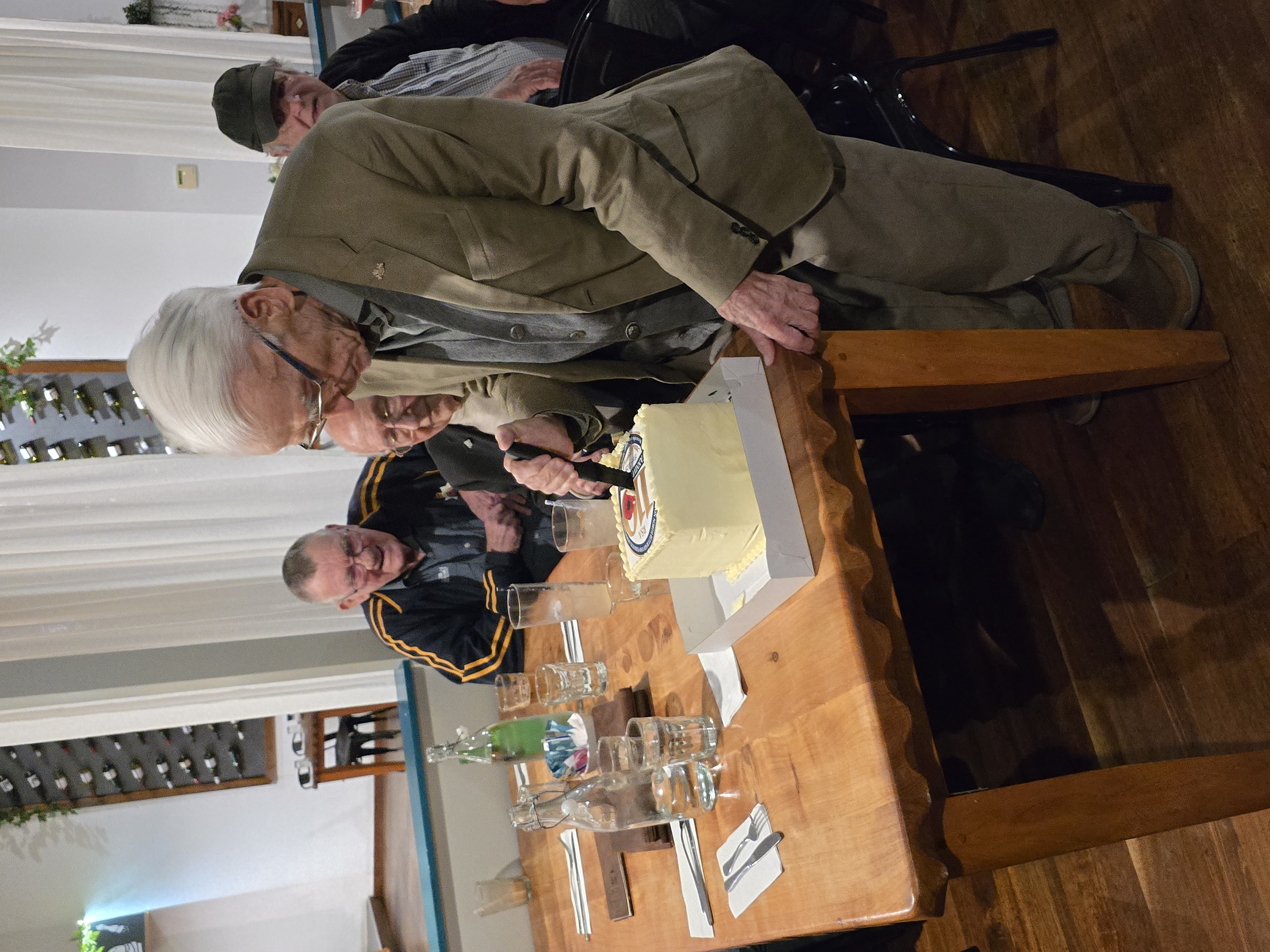
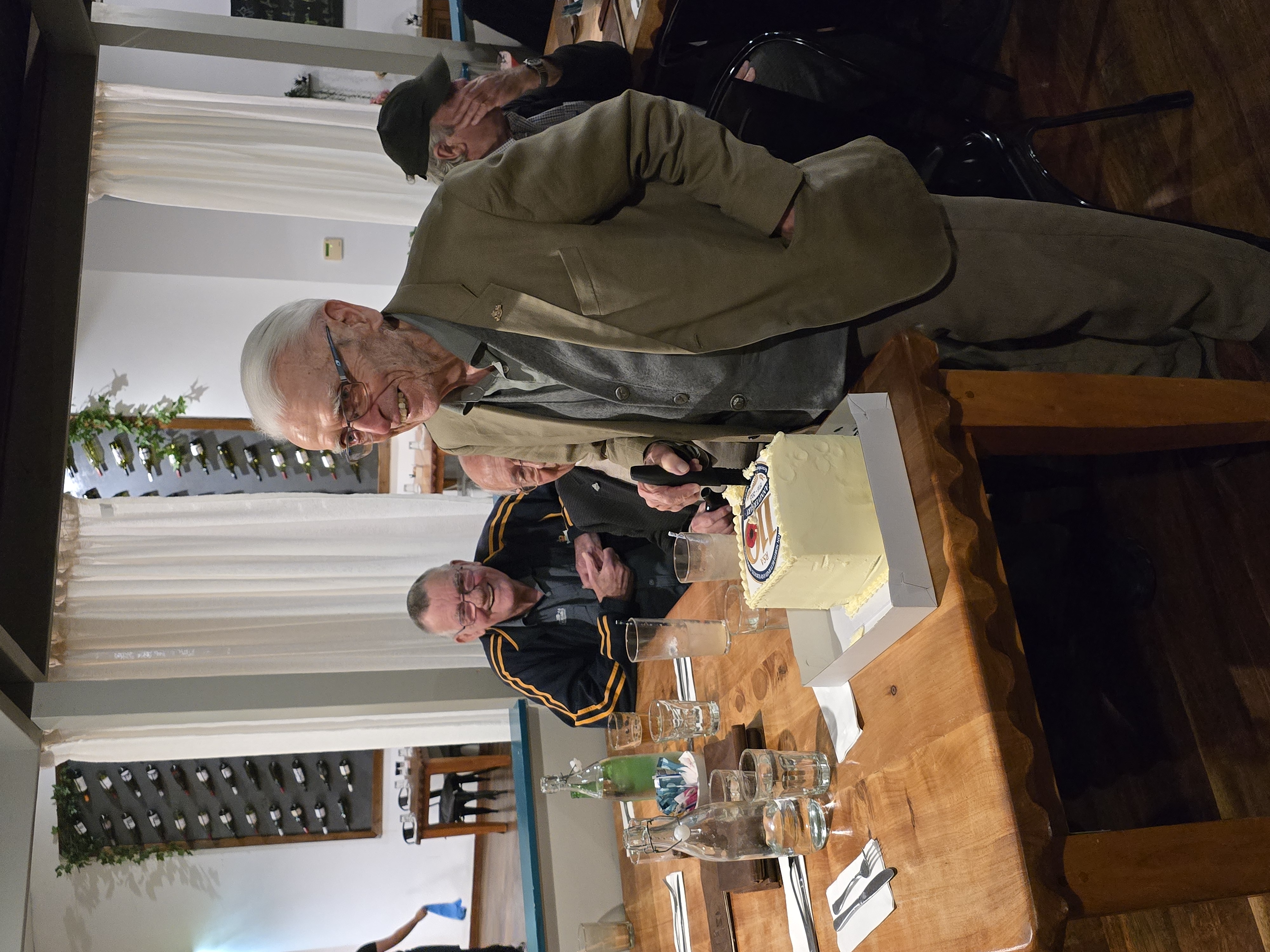
Mayor Grant Smith and Councillor Mark Arnott announced the sites at a ceremony today at the Cosmopolitan Club, acknowledging their connections to military service and sacrifice.
The additions bring the total number of Poppy Places in Palmerston North to 78, with 36 at Linton Military Camp and 42 across the rest of the city.
The six places are Manawatū Scottish Society Hall, the RSA Memorial Paddling Pool, Awatapu College, Palmerston North Boys' High School Memorial Gallery, Rangitikei Line Avenue of Remembrance and Achilles Court.
Their recognition forms part of the national Poppy Places programme, administered by the Royal New Zealand Returned and Services’ Association (RNZRSA). The programme identifies places connected to New Zealand’s military involvement in overseas conflicts and operational service, helping preserve the stories behind familiar buildings, streets and landmarks.
Mayor Grant Smith says the latest additions show how deeply military history is woven into the city.
"Some of these places are part of our everyday lives. We drive past the trees, we take our children to the Esplanade paddling pool or walk through the school gates without knowing the stories behind them."
"Recognising them as Poppy Places helps keep those stories alive. They remind us of the people who served and those who never returned."
Councillor Mark Arnott says the recognition of Awatapu College and the RSA Memorial Paddling Pool has particular personal significance.
"Awatapu is my old school, and I remember reading the plaque as a student there. I also have fond memories of playing in the Esplanade paddling pool as a child, then watching my daughter enjoy that same pool years later.”
"These connections show why Poppy Places matters. Remembrance can be found in places where we learn and gather, as well as at our traditional war memorials."
The six new Poppy Places are:
Manawatū Scottish Society Hall
Built in 1908 at 52 Princess Street, the hall originally served as the headquarters and orderly room of the Manawatū Mounted Rifles. Members contributed labour, materials and fundraising, and Governor Lord Plunket officially opened it on 29 July 1908. The Manawatū Scottish Society purchased the building in 1943, and the original orderly room remains at its heart.
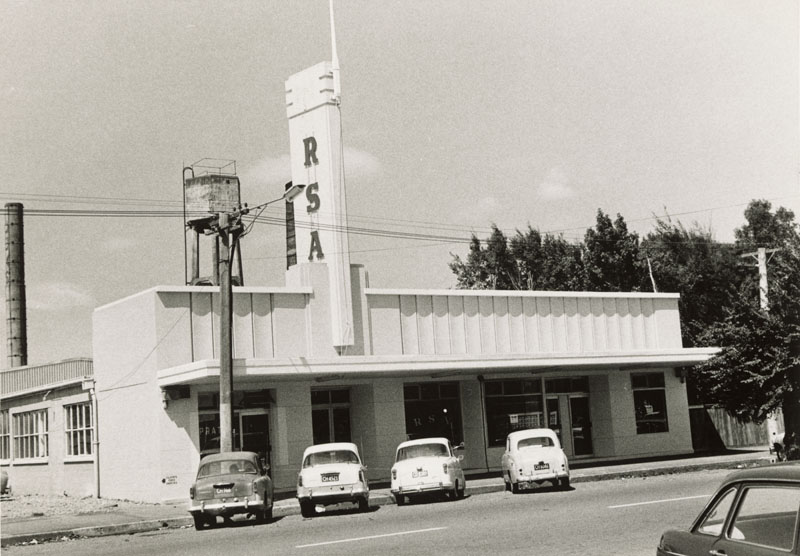
RSA Memorial Paddling Pool
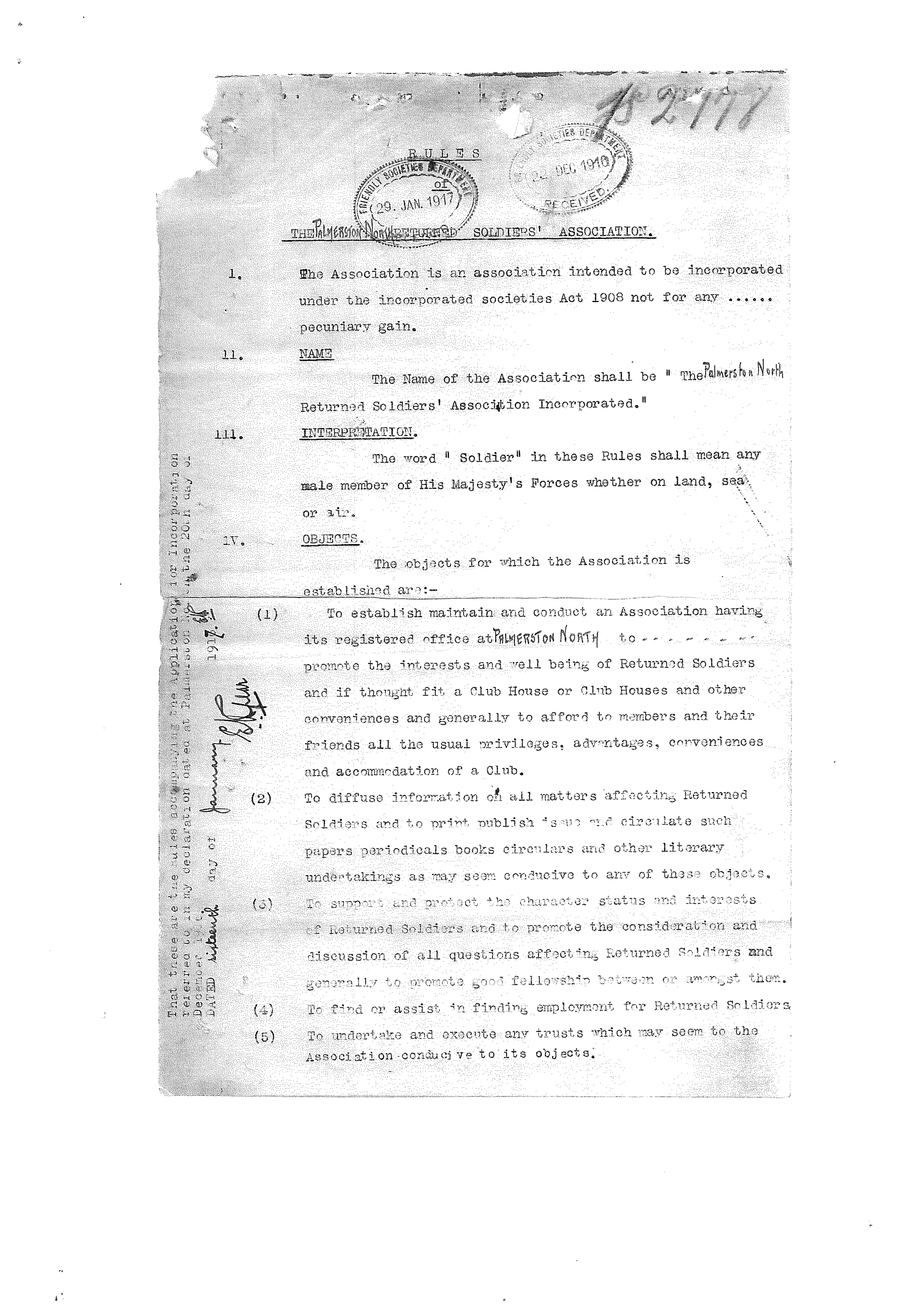
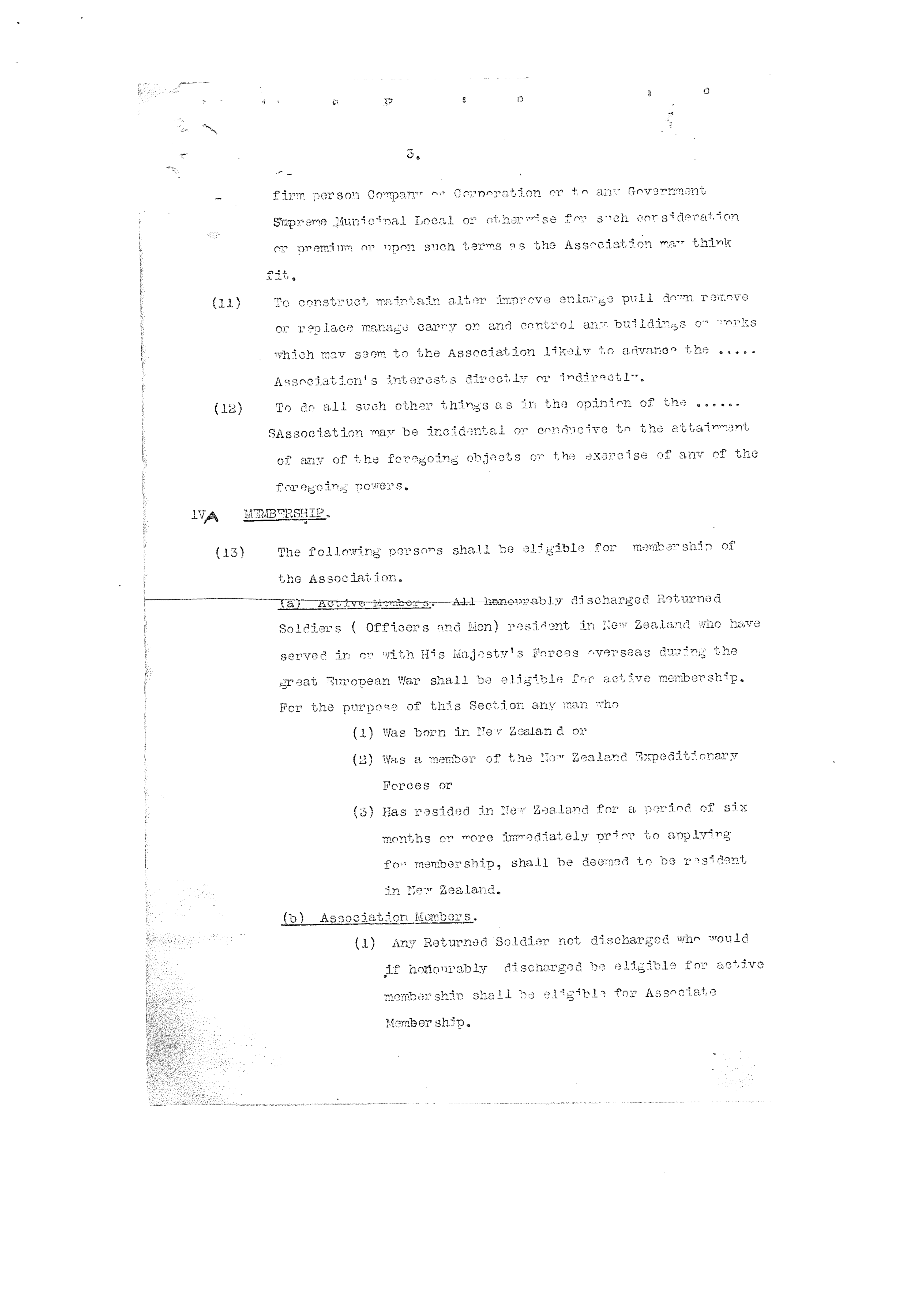
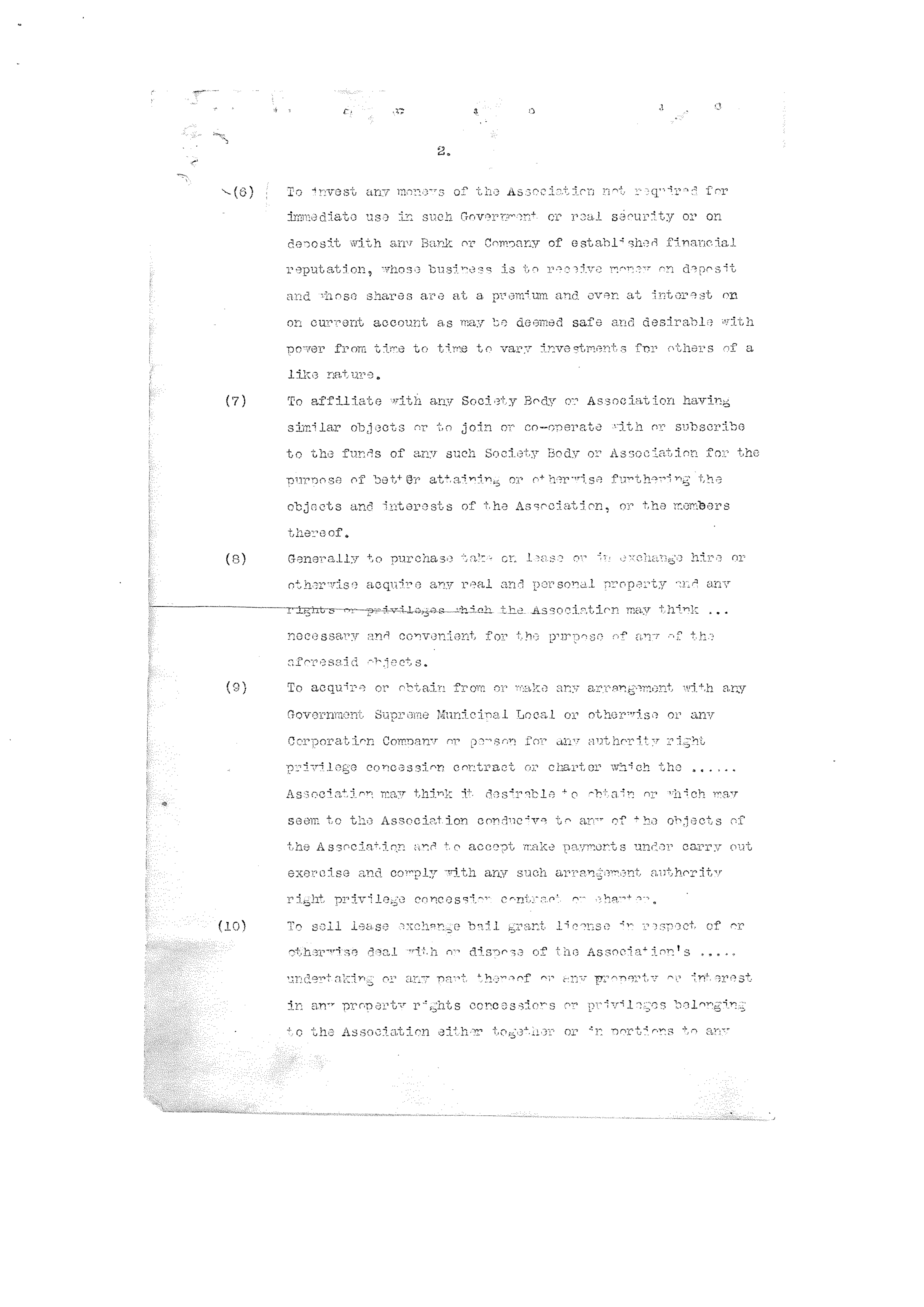
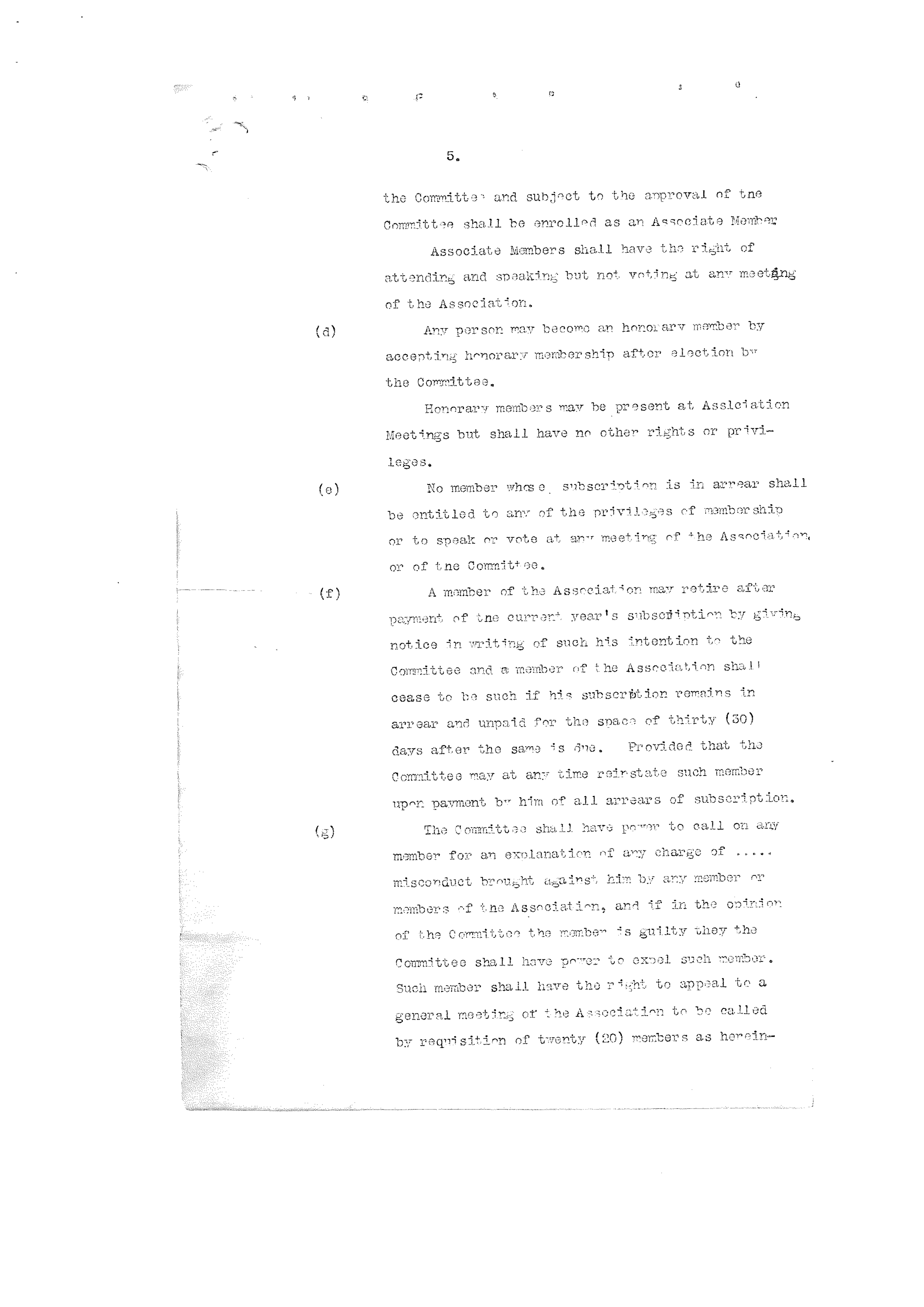
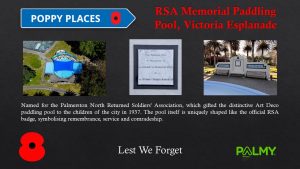
Opened in Victoria Esplanade in 1937, the pool was a gift from the local RSA to the children of Palmerston North. Returned servicemen chose to create a memorial that celebrated peace and brought enjoyment to families. Shaped like the RSA badge, it remains a distinctive example of remembrance becoming part of everyday community life.
Awatapu College
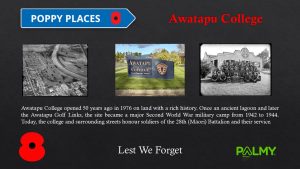
The college occupies land that was once part of the Awatapu Golf Links. In 1942, the Army established a military camp there for units tasked with defending the lower North Island against possible invasion. Soldiers trained at the camp until early 1944, when it was dismantled. Awatapu College opened in 1976.
Palmerston North Boys’ High School Memorial Gallery
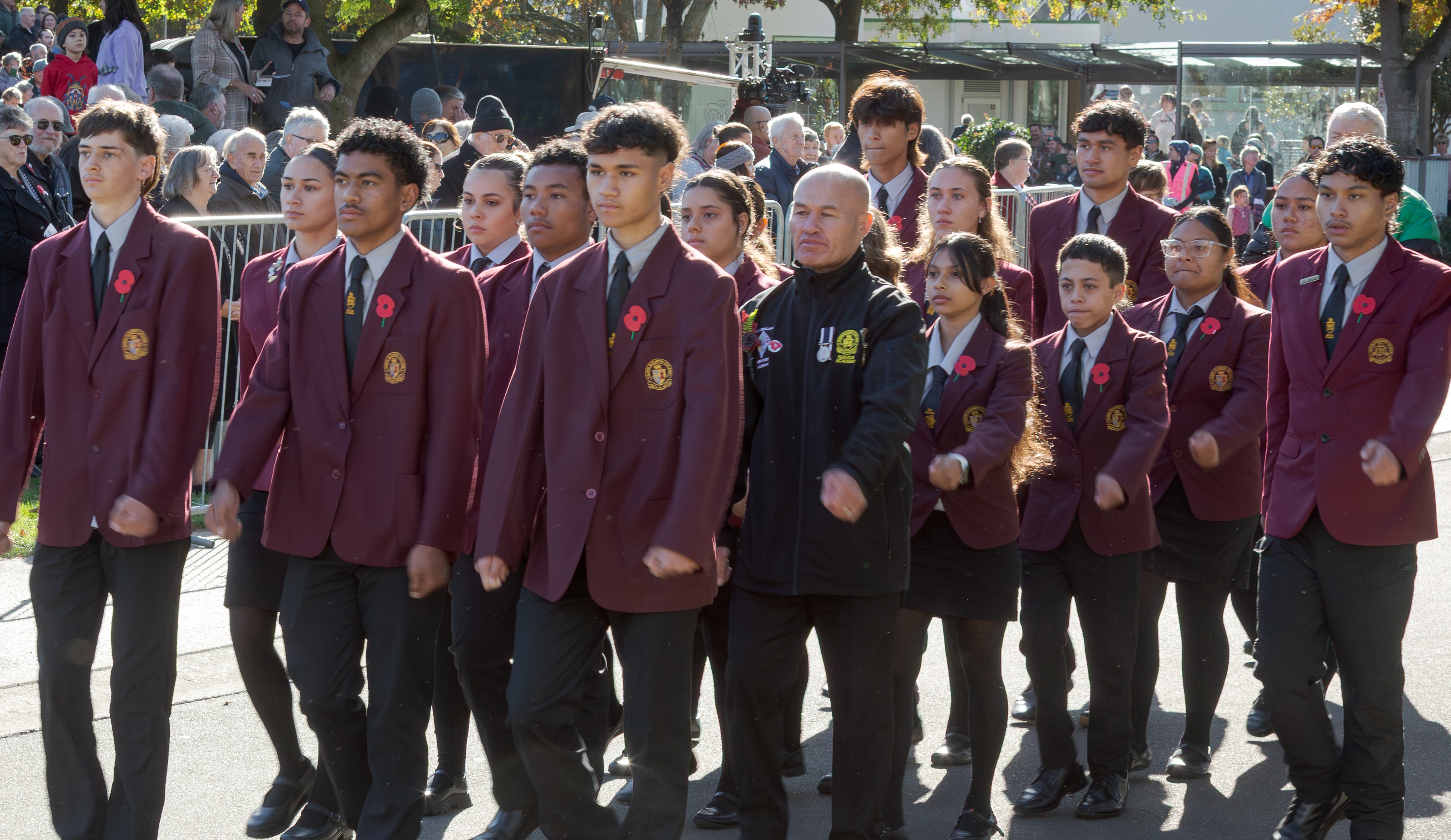
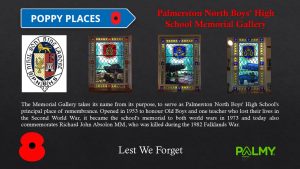
Opened in 1953 by Lieutenant General Sir Howard Kippenberger, the Memorial Gallery honours former students and a teacher who died in military service. Portraits, medals and stained-glass windows preserve their memory. The gallery remains part of school life, with new students visiting during their induction to learn about those who came before them.
Rangitīkei Line Avenue of Remembrance
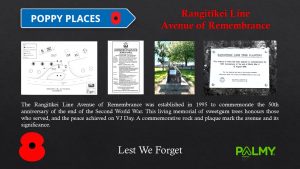
The avenue of sweetgum trees was established in 1995 to mark the 50th anniversary of the end of the Second World War. A partnership between Council and the Middle Districts Lions Club, supported by other community groups and volunteers, created a living memorial to peace. A stone memorial and plaque outside Steelfort explain the planting’s significance.
Achilles Court
Achilles Court honours HMS Achilles, which served with New Zealand forces during the Second World War and fought at the Battle of the River Plate in 1939. Its naming followed a 1976 request from Palmerston North’s former naval servicemen to preserve the names of ships on which local men had served.
Councillor Arnott says the sites offer different ways for people to connect with the past.
“Together, these places tell stories of service, loss, peace and community generosity. By recognising them, we’re helping future generations understand the history around them and the people whose service helped shape our city.”
“That’s 78 Poppy Places and counting, with more local stories still to uncover.”
1. Manawatū Scottish Society Hall…Councillor Mark Arnott
The Manawatū Scottish Society Hall at 52 Princess Street has a fascinating history stretching back 118 years.
In the early days of Palmerston North, this part of Princess Street, between Grey and Main Streets, was actually known as Duke Street.
The building was constructed in 1908 as the headquarters and Orderly Room of the Manawatū Mounted Rifles, a volunteer military unit formed in 1891, at a time when our country had no standing army.
The land was donated by Captain Adjutant John Pringle, and the building was designed by Trooper Ernest West, who later became a well-known local architect. Much of the work was carried out through volunteer labour and community fundraising.
But it wasn't just a military building. Even before it was completed, the newly formed Manawatū Savage Club was offered the use of the hall for its meetings.
The hall was officially opened on 29 July 1908 by Lord Plunket, the Governor of New Zealand.
And there's a lovely connection to another of our Poppy Places.
Lord and Lady Plunket were living at Caccia Birch House following the devastating fire at Parliament Buildings in Wellington in 1907. I recognised Caccia Birch as a Poppy Place last year.
The hall became the centre of activity for the Mounted Rifles, where recruits enlisted, officers planned training, and soldiers gathered before heading away to military camps.
In 1909, a small military museum was established, displaying Boer War rifles, swords, photographs and trophies.
When New Zealand introduced the Territorial Force in 1911, a dispute arose over ownership of the building.
The matter went to the Supreme Court in 1912, where Chief Justice Sir Robert Stout ruled that it remained the property of the original Mounted Rifles trustees.
In 1943, during the Second World War, the building was purchased by the Manawatū Scottish Society, beginning a new chapter in its history.
One particularly moving connection is Victor Nicholson, a Gallipoli veteran who later devoted 52 years to the Scottish Society.
His wartime memories were recorded by Maurice Shadbolt in Voices of Gallipoli. His recollections were so emotional that he had to stop several times while describing what he had witnessed.
In 1981, Nicholson received the Queen's Service Medal for his contribution to pipe bands.
The hall was extended in 1955, but the original 1908 building remains at its heart.
Today, it continues to be a home for piping, drumming, Highland dancing and Scottish culture.
What makes this Poppy Place special is that, although its purpose has changed, its spirit of service and community has remained.
From the mounted riflemen of 1908 to the generations of families who gather there today, this building has brought people together for more than a century.
And that is a piece of Palmerston North's military and community history well worth remembering.
2. RSA Memorial Paddling Pool…Councillor Mark Arnott
The RSA Memorial Paddling Pool in Palmerston North's Victoria Esplanade is one of our city's most distinctive and much-loved landmarks.
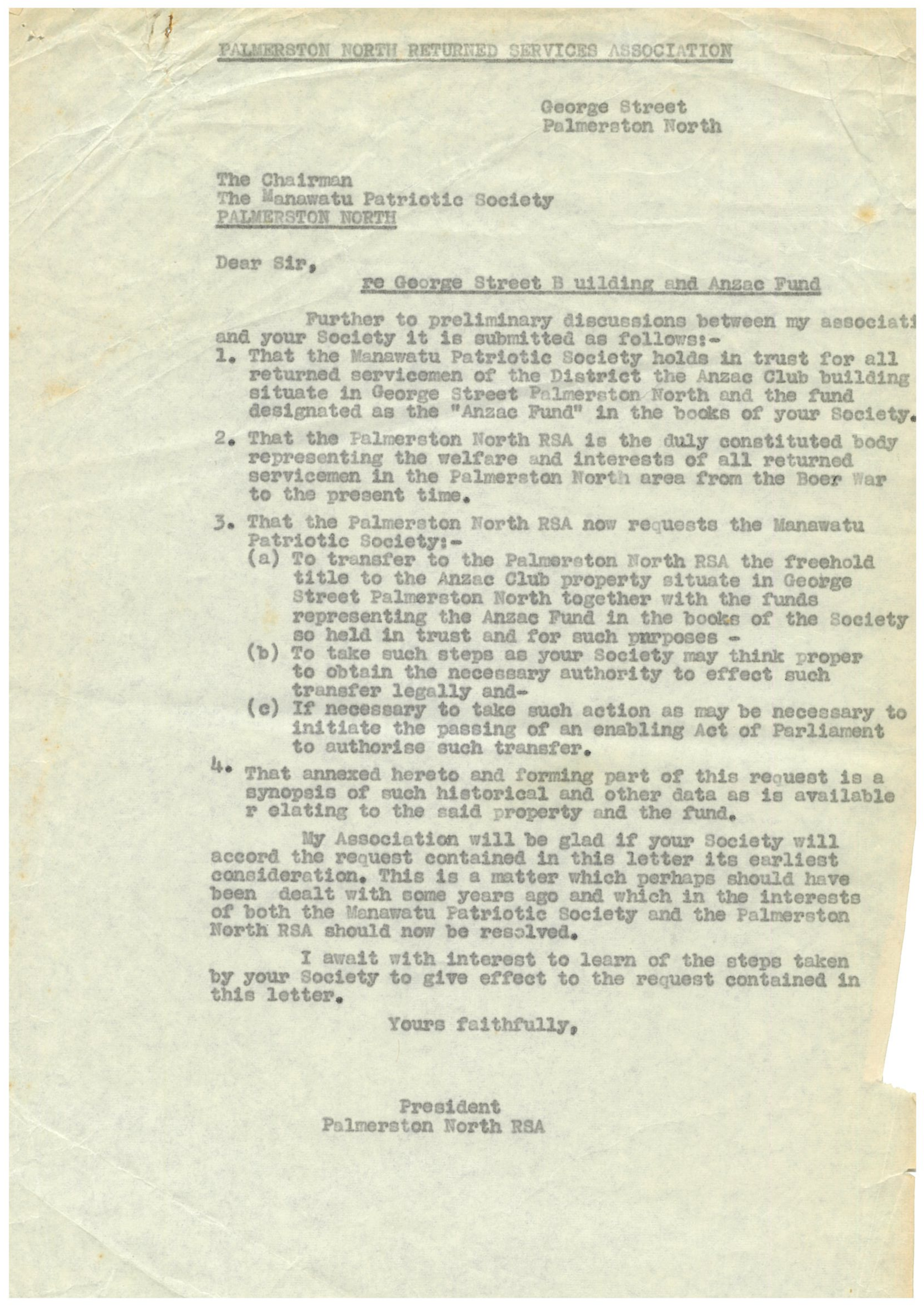
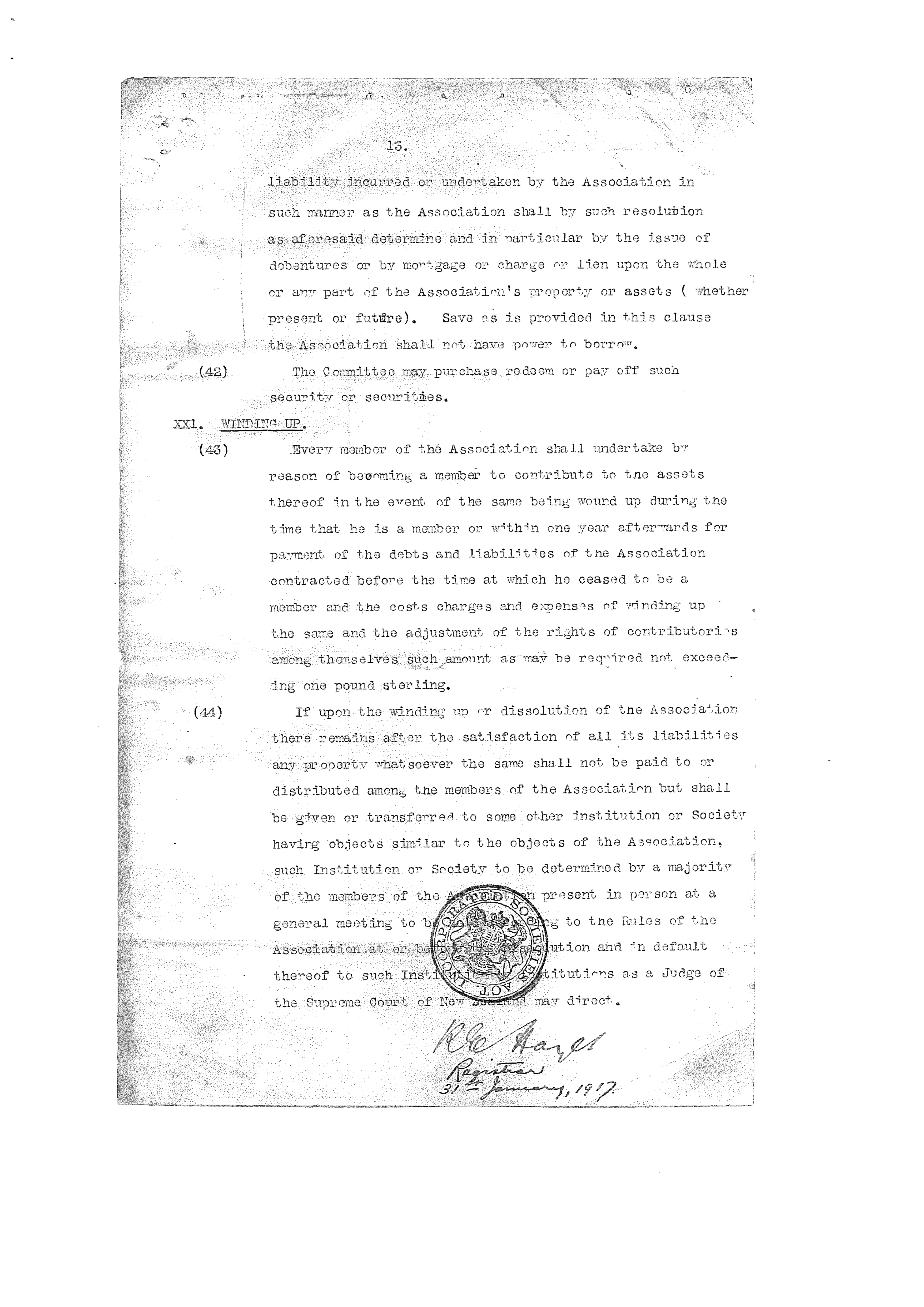
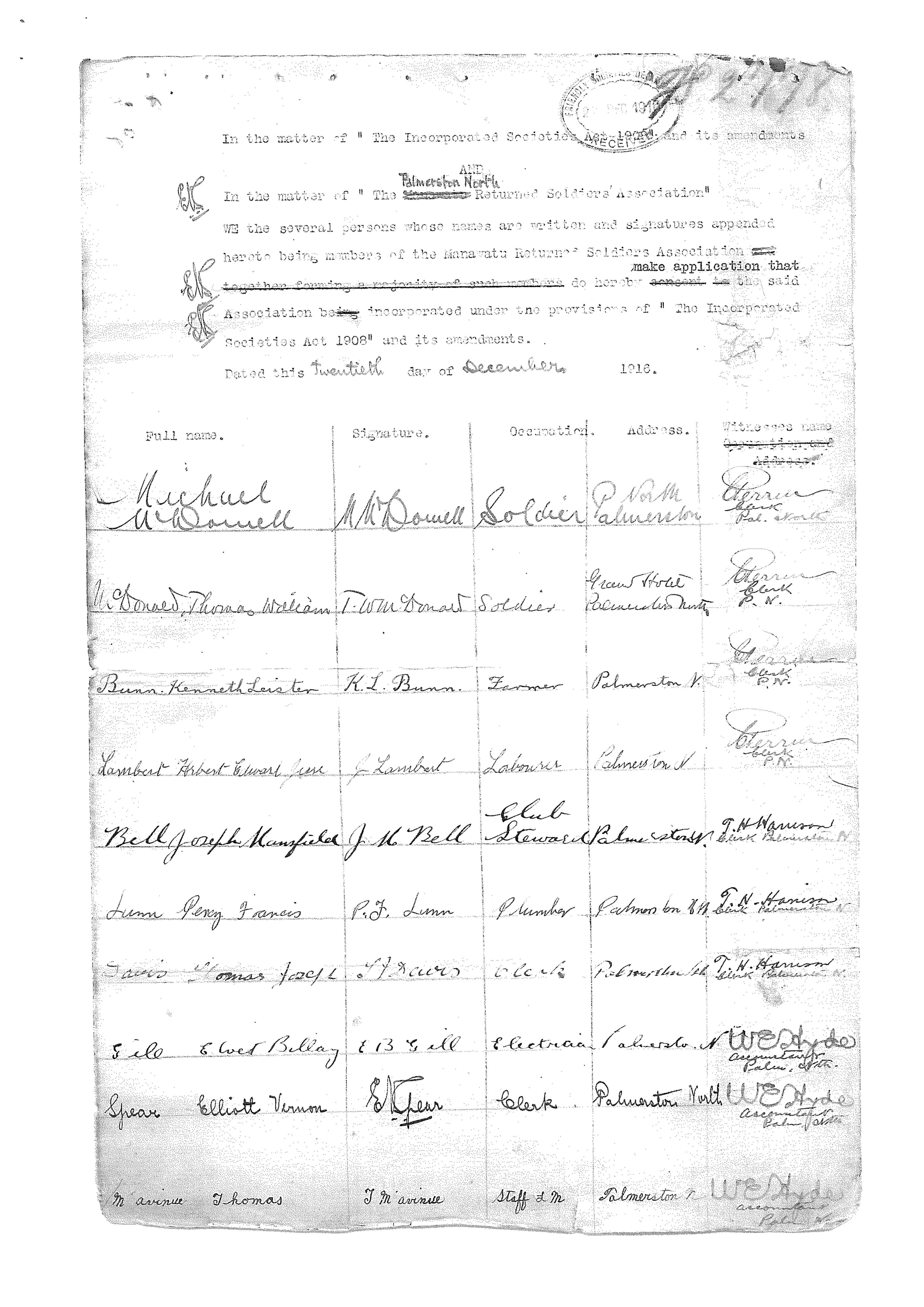
Opened in 1937, the pool was presented to the children of Palmerston North by the local RSA, an organisation established in 1916 as the Returned Soldiers' Association and known today as the Returned and Services' Association.
What makes this memorial particularly special is the thinking behind it.
Less than twenty years after the end of the First World War, rather than erecting another traditional war memorial, the RSA members decided to create something that children could enjoy.
They wanted a memorial that celebrated peace, brought happiness to families, and honoured those who had served their country.
The pool was built in the popular Art Deco style of the 1930s, but what makes it truly unique is its shape.
If you've ever looked at it from above, you'll notice that the entire pool is shaped like the official RSA badge.
It's a remarkable piece of design, reflecting the values at the heart of the RSA: courage, commitment, comradeship and compassion.
For generations, a visit to the Victoria Esplanade has meant a stop at the paddling pool. Countless children have splashed and played in its waters, creating memories that have stayed with them throughout their lives.
And I can certainly relate to that.
I remember paddling in this very pool when I was a young boy growing up here in Palmerston North.
Back then, I had no idea of its history or why it had been built. To me, it was simply a wonderful place to play.
Then, many years later, I had the pleasure of watching my own daughter paddle in those same waters, making memories of her own.
And I think that's what makes this place so special.
The generations change, but the enjoyment remains the same.
Today, nearly ninety years after it first opened, the paddling pool remains free for everyone to enjoy, just as those RSA members intended back in 1937.
It's a wonderful reminder that remembrance doesn't always have to take the form of a cenotaph, a monument or a memorial gate.
Sometimes, the most meaningful memorials are those that become part of our everyday lives.
And this year, as the Palmerston North RSA celebrates its 110th anniversary, I can think of no better time to recognise this remarkable gift as one of our city's newest Poppy Places.
It's a lasting tribute to the foresight, generosity and compassion of those returned servicemen, who chose to honour the past by giving something wonderful to the future.
3. Awatapu College…Councillor Mark Arnott
This next Poppy Place is particularly special to me, because Awatapu College is my old school.
I attended Awatapu in the late 1980s and recently returned for the college's 50th anniversary celebrations, which brought back plenty of memories.
All those years ago, I remember reading the plaque outside the administration building, telling the story of the military camp that once stood on these grounds.
Little did I know that 36 years later, I'd be helping to preserve that very history through our city's Poppy Places programme.
And it's quite a remarkable story.
The name Awatapu comes from an ancient lagoon that once provided an important food source for Rangitāne.
In 1930, the Awatapu Golf Links were established on 89 acres near the Manawatū River.
But in May 1942, during the Second World War, those peaceful fairways were transformed into something very different.
With the threat of Japanese invasion, the Army established one of the Manawatū's largest military camps on the golf links.
The camp housed units of the 2nd Infantry Brigade, part of New Zealand's 4th Division, responsible for defending the lower North Island.
The fairways gave way to military huts, roads and parade grounds. Even the golf clubhouse became the officers' mess.
Completed in July 1942 at a cost of approximately £10,200, the camp became an important base for soldiers preparing to defend our country.
Awatapu was also part of a much larger military presence in Palmerston North. Nearby Massey Agricultural College housed the Army Staff College, while the Refectory, McHardy Hall and Caccia Birch House provided accommodation and facilities for military staff.
All three were recognised as Poppy Places last year.
For almost two years, until early 1944, soldiers trained at Awatapu, preparing for an invasion that thankfully never came.
As the threat diminished, the camp was dismantled and the land returned to civilian use.
In 1963, Palmerston North City Council decided to subdivide the former golf links for housing and a future secondary school.
The golf club relocated in 1964 to its present home at Brightwater Terrace, becoming the Palmerston North Golf Club.
Importantly, the Council also preserved the area's military connections.
In October 1964, many of the new streets were named in honour of soldiers of the 28th Māori Battalion, using a list supplied by Brigadier George Dittmer, who had commanded the battalion during the Second World War.
Those streets are now Poppy Places in their own right.
Awatapu College opened in February 1976 with just 244 students and was officially opened by Prime Minister Robert Muldoon later that year.
As a former pupil, I'm particularly proud to see Awatapu College recognised as a Poppy Place.
It's a reminder that history isn't always found in museums or memorials. Sometimes it's right beneath our feet, in places we know so well.
And now, future generations of Awatapu students will know that soldiers once trained on the very ground where they go to school today.
That's what Poppy Places is all about…remembering the past, preserving these stories, and ensuring they're never forgotten.
4. Palmerston North Boys’ High School …Mayor Grant Smith
Palmerston North Boys’ High School holds a special place in our city's history, and for me personally, as a former pupil of the school.
It's therefore a real privilege to introduce the school's Memorial Gallery as one of our six new Poppy Places for 2026.
The Gallery honours 203 Old Boys and one teacher who lost their lives in the First and Second World Wars, and the Falklands War of 1982.
Its story began after the First World War, when 71 former students never returned home. The Old Boys' Association raised funds for a Memorial Library, which opened in 1924, displaying an honour board and photographs of those who had fallen.
Sadly, the Second World War brought even greater loss, with a further 132 Old Boys and one teacher losing their lives.
Under Rector John Murray, the Old Boys' Association again raised funds, this time for a permanent Memorial Gallery, built alongside the school's new gymnasium.
The Gallery was officially opened on 8 November 1953 by Lieutenant General Sir Howard Kippenberger, one of New Zealand's most distinguished military leaders.
Four years later, beautiful stained-glass windows representing the Army, Navy and Air Force were installed. Around the walls hang portraits of those who never returned, many accompanied by medals entrusted to the school by their families.
The Gallery also remembers Private Richard John Absolon MM, an Old Boy killed during the Falklands War in 1982 while serving with the British Army.
But what makes this memorial particularly special is that it remains a living part of school life.
Since the 1980s, every new student has visited the Gallery as part of their induction. They learn about the school's history, the sacrifices made by those who came before them, and sign a register marking their own place in the school's continuing story.
In 2022, the Gallery underwent a major restoration, ensuring it would be preserved for future generations.
And each Anzac Day, 203 white crosses are placed on the school's front lawn, each bearing the name of an Old Boy who gave his life.
At the conclusion of the school's Anzac service, the entire school walks silently past those crosses.
It's an incredibly moving tradition, and a reminder that these weren't simply names on an honour board. They were once young boys who sat in the same classrooms, walked the same corridors and had hopes and dreams for their futures.
As a former student myself, that connection is particularly meaningful.
More than 70 years after it opened, the Memorial Gallery continues to honour those who made the ultimate sacrifice, while teaching new generations the importance of remembrance.
And perhaps the most fitting way to conclude is with the school's own simple hope:
That no further names will ever need to be added to the Gallery.
Lest we forget.
5. Rangitīkei Line Avenue of Remembrance…Mayor Grant Smith
Every day, thousands of people travel along Rangitīkei Line without realising they are passing one of Palmerston North's largest and most unusual war memorials.
Beside the road outside Steelfort stands a modest stone memorial and plaque. But what many people don't realise is that the real memorial is the avenue of sweetgum trees stretching along the roadside.
It's a living memorial, one that changes with the seasons and grows more impressive with each passing year.
The avenue was established in 1995 to commemorate the 50th anniversary of the end of the Second World War.
On 15 August 1945, after almost six years of conflict, Japan accepted the Allied terms of surrender. Church bells rang, flags flew, and communities throughout New Zealand celebrated the return of peace.
But it was also a time to remember the enormous sacrifice. More than 200,000 New Zealanders had served during the war, and almost 12,000 never returned home.
Fifty years later, Palmerston North marked the anniversary with an extensive programme of commemorations.
There were wartime films, military vehicle displays, concerts, a tea dance and a community singalong. Veterans marched to the Cenotaph, church bells rang, and aircraft flew overhead.
But organisers wanted something more permanent, something future generations could appreciate.
And so the Avenue of Remembrance was born.
The project was a partnership between Palmerston North City Council and the Middle Districts Lions Club.
The driving force behind the concept was Council landscape architect John Brenkley, who envisioned transforming Rangitīkei Line into an attractive, tree-lined northern gateway to our city, while creating a lasting memorial to the end of the war.
The trees chosen were sweetgums, known for their spectacular autumn colours of red, orange and purple.
The project became a genuine community effort, with Council providing funding and the Middle Districts Lions Club undertaking much of the planting. The Horticultural Society, Floral Art Society and other volunteers also contributed.
On Sunday 13 August 1995, Mayor Paul Rieger, RSA President Alan Rutherford and Lions Club President Len Blackwell each planted a commemorative tree before volunteers continued planting the avenue.
A stone memorial and plaque were installed to explain the significance of the planting, with the plaque sponsored by Steelfort Engineering.
Today, more than 30 years later, those trees have grown into a beautiful and familiar feature of Rangitīkei Line.
Every autumn, as their leaves turn brilliant shades of red, orange and purple, they provide a colourful reminder of the peace that followed six long years of war.
The Rangitīkei Line Avenue of Remembrance is much more than a row of trees.
It's a living memorial to peace, remembrance and community spirit, and a fitting addition to Palmerston North's Poppy Places.
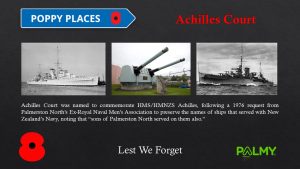
6. Achilles Court…Mayor Grant Smith
Our final Poppy Place today is Achilles Court, named in honour of one of the most famous warships to serve with New Zealand during the Second World War, HMS Achilles.
What makes this story particularly special is its direct connection to Palmerston North and the efforts of our own former naval servicemen to preserve an important part of our history.
On 13 December 1976, almost 50 years ago, the Palmerston North Branch of the Ex-Royal Naval Men’s Association wrote to the City Corporation suggesting that streets in future subdivisions be named after cruisers that had served with New Zealand’s Navy.
Their reasoning was simple. These ships were disappearing from service, and they wanted their names preserved for future generations.
They also made one very important point: “sons of Palmerston North served on them also.”
Nine ships were suggested, including Achilles and her sister ship Leander.
Today, we have both Achilles Court and Leander Place, a lasting reminder of that request.
HMS Achilles entered New Zealand service in 1936. When the Second World War began, she was sent to patrol the waters off South America.
On 13 December 1939, Achilles, alongside HMS Ajax and HMS Exeter, encountered the heavily armed German warship Admiral Graf Spee off the coast of Uruguay.
What followed became known as the Battle of the River Plate, one of the first major Allied naval successes of the war.
Achilles came under enemy fire, suffering damage that killed four sailors and wounded seven others.
Two of those killed were New Zealanders, including Ordinary Seaman I. W. Grant, who was just 18 years old.
Four days later, Admiral Graf Spee was scuttled outside Montevideo Harbour.
When Achilles returned to Auckland in February 1940, she received a hero’s welcome.
But her war was far from over.
With the establishment of the Royal New Zealand Navy in 1941, HMS Achilles became HMNZS Achilles, marking an important milestone in our naval history.
She went on to serve in the Pacific, where, in January 1943, a Japanese bomb struck one of her gun turrets near Guadalcanal, killing another thirteen men.
There is also a remarkable footnote to her story.
In 1956, the British film The Battle of the River Plate recreated that famous naval engagement.
By then, Achilles had been sold to the Indian Navy and renamed Delhi. Remarkably, the original ship played herself in the film, seventeen years after the actual battle.
And part of Achilles still survives in New Zealand today.
Her Y gun turret and Director Control Tower stand at the entrance to Devonport Naval Base in Auckland, serving as a gate guard and a lasting reminder of her wartime service.
And that brings us back to Achilles Court.
This street name represents a deliberate effort by Palmerston North’s naval veterans to ensure that the ships they served aboard, and the men who never returned, would not be forgotten.
Almost fifty years after their letter was written, we are honouring that wish again by recognising Achilles Court as one of our city’s new Poppy Places.
A lasting reminder of courage, sacrifice, and Palmerston North’s proud connection with New Zealand’s naval history.

Ceremonial